
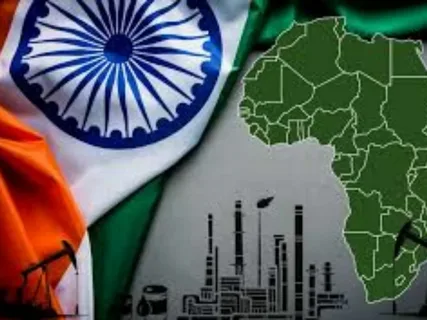
India energy security has emerged as a major policy concern following disruptions in global oil markets linked to tensions in the Middle East. As traditional supply routes face uncertainty, New Delhi is expanding its energy partnerships, increasing crude imports from alternative suppliers, and accelerating investments in renewable energy.
The latest developments involving Venezuela and India’s efforts to diversify energy imports have once again highlighted the importance of a resilient and long-term India energy plan. Policymakers are balancing immediate fuel needs with broader goals of sustainability and economic stability.
Background
Energy in India has always been closely tied to economic growth. As the world’s third-largest oil consumer and importer, India depends heavily on foreign crude to meet domestic demand. This dependence makes the country vulnerable to geopolitical conflicts, shipping disruptions, and fluctuations in international oil prices.
The recent conflict affecting oil flows through the Strait of Hormuz has once again exposed the risks associated with concentrated energy supply routes. Before the crisis, a significant portion of India’s imported crude passed through this strategic waterway.
Against this backdrop, India has intensified efforts to diversify its sources of crude oil while simultaneously expanding renewable energy generation capacity.
India’s Search for Alternative Oil Supplies
One of the most notable developments has been the strengthening of energy cooperation between India and Venezuela. Officials from both countries recently discussed expanding collaboration in upstream and downstream energy projects as India seeks reliable alternatives to disrupted Gulf supplies.
Venezuela has rapidly emerged as a significant supplier for Indian refiners. Increased imports from the South American nation have helped offset some of the supply pressures created by Middle East instability. Analysts note that Venezuela’s heavy crude is particularly suitable for certain advanced Indian refineries capable of processing such grades efficiently.
Government officials have repeatedly emphasized that India’s energy procurement decisions are guided by national interest and commercial viability rather than political considerations. Ensuring uninterrupted supplies remains the central objective of India’s energy strategy.
Understanding the India Energy Plan
The current India energy plan focuses on three major pillars:
Diversification of Imports
India is expanding oil procurement beyond traditional Gulf suppliers. Imports from Latin America, Africa, Russia, and other regions are increasingly becoming part of the country’s energy mix. This approach reduces dependence on any single source or region.
Domestic Energy Expansion
The government continues investing in domestic oil and gas exploration while encouraging private sector participation. Increasing domestic production remains an important component of long-term energy security.
Renewable Energy Growth
Renewable energy has become a cornerstone of India’s future strategy. Solar, wind, hydroelectric, and green hydrogen projects are receiving significant policy support. This transition aims to reduce fossil fuel dependence while supporting climate commitments.
Renewable Energy Scenario in India
The renewable energy scenario in India has changed dramatically over the past decade. Solar parks have expanded across multiple states, while wind energy installations continue to grow along coastal regions.
Experts argue that renewable energy offers more than environmental benefits. It also strengthens India energy security by reducing exposure to international oil price shocks and geopolitical disruptions.
Large-scale investments in battery storage, smart grids, and green hydrogen are expected to play a crucial role in the next phase of India’s energy transition. These technologies could help ensure reliable power supplies while supporting industrial growth.
For UPSC aspirants, the renewable energy scenario in India UPSC topics often focus on balancing economic growth, environmental sustainability, and energy independence.
India Energy Production by Source
India energy production by source reflects a diverse but evolving energy mix.
Coal continues to dominate electricity generation due to its availability and established infrastructure. However, renewable sources are steadily increasing their contribution to the national grid.
Major energy sources include:
- Coal
- Crude oil
- Natural gas
- Hydropower
- Solar energy
- Wind energy
- Nuclear power
- Biomass
The growing share of renewables is gradually transforming the structure of energy in India while supporting long-term security objectives.
Energy Security Index and India’s Position
The energy security index is often used to measure a country’s ability to ensure reliable, affordable, and sustainable energy supplies.
Several factors influence India’s position:
- Import dependence
- Fuel diversity
- Strategic petroleum reserves
- Renewable energy capacity
- Infrastructure resilience
- Energy affordability
Recent supply disruptions have reinforced the importance of strengthening these indicators. Policymakers are increasingly focusing on resilience rather than simply maximizing imports.
Economic Impact of Energy Disruptions
Higher oil prices directly affect India’s economy because the country imports a large share of its energy needs.
When global crude prices rise:
- Import bills increase
- Inflationary pressures grow
- Transportation costs rise
- Manufacturing expenses increase
- Currency stability may face pressure
Economists note that maintaining India energy security is therefore not only an energy issue but also a broader economic necessity.
Regional and Global Implications
India’s response to the energy crisis is being closely watched by other emerging economies. Many nations face similar challenges involving supply security, price volatility, and the transition toward cleaner energy sources.
The expansion of energy cooperation with countries such as Venezuela demonstrates how global energy trade patterns are shifting in response to geopolitical realities. At the same time, investments in renewables indicate that long-term solutions may depend less on traditional oil markets.
Future Outlook
Experts expect India to continue pursuing a dual-track strategy. In the short term, the country will secure crude supplies from diverse international partners to maintain economic stability. In the long term, policymakers are likely to accelerate renewable energy deployment, strengthen strategic reserves, and modernize energy infrastructure.
As global uncertainty persists, India energy security will remain one of the most important policy priorities for ensuring sustained economic growth and national resilience.
Conclusion
The current global oil crisis has highlighted both the strengths and vulnerabilities of India’s energy system. While increased cooperation with alternative suppliers such as Venezuela provides short-term relief, the broader lesson is clear: lasting energy security requires diversification, innovation, and investment in clean energy.
The future of energy in India will depend on how effectively the country balances immediate energy demands with long-term sustainability goals. As global markets continue to evolve, India’s ability to adapt will play a critical role in shaping its economic and strategic future.
FAQs
What is the energy security in India in 2026?
Energy security in India in 2026 refers to the country’s ability to ensure reliable, affordable, and uninterrupted access to energy despite global supply disruptions. India is pursuing a strategy that combines diversified oil imports, strategic petroleum reserves, domestic production, and rapid renewable energy expansion to strengthen national energy resilience.
Is India going to have an energy lockdown?
There is currently no indication that India is heading toward an energy lockdown. While global supply disruptions have created challenges, India has diversified its import sources and continues to secure crude oil from multiple regions. Government agencies are actively monitoring the situation and implementing measures to maintain stable supplies.
Is IEX a government company in India?
No, the Indian Energy Exchange (IEX) is not a government-owned company. It is a publicly listed power trading platform that facilitates electricity trading between buyers and sellers. While it operates within a regulated framework overseen by government authorities, it functions as an independent corporate entity.