
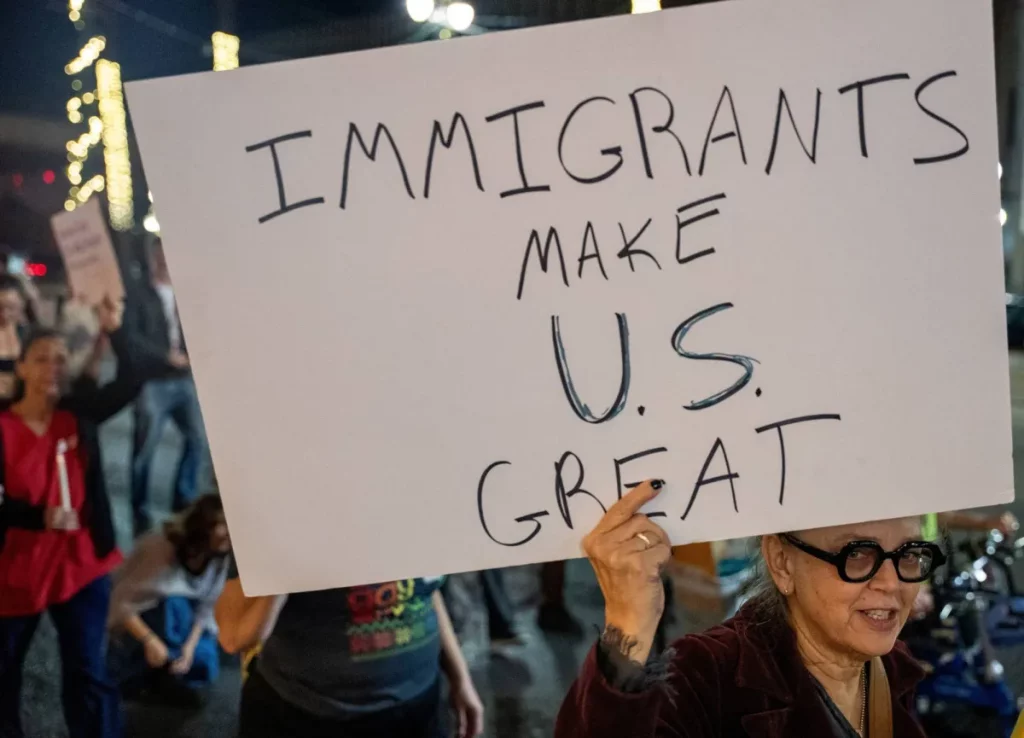
The United States immigration system is once again under intense political and public scrutiny as discussions around Trump immigration executive orders 2026 resurface in policy debates. The Department of Homeland Security immigration framework and USCIS systems are being examined for transparency, efficiency, and digital modernization. Officials are also reviewing how users access the US immigration website and immigration status check by name systems across federal databases.
Background
The US immigration system has long been shaped by shifting political leadership, policy reforms, and executive actions. During the Trump administration, several immigration executive orders were introduced that focused on border security, visa restrictions, and deportation enforcement. In 2026, these policies are once again part of national debate as lawmakers reassess immigration reform priorities.
The Department of Homeland Security immigration structure and USCIS platforms remain central to processing visa applications, asylum requests, and residency status updates. Public attention has increased due to growing demand for transparency in US immigration login systems and faster processing of immigration services.
Details
The current discussion revolves around how immigration data is managed through federal platforms and whether improvements are needed in the US immigration website infrastructure. Many users rely on USCIS portals to track visa applications, green card processing, and legal residency status updates. However, delays and technical issues have raised concerns among applicants and legal experts.
At the same time, Trump immigration executive orders 2026 are being re-evaluated in policy circles, particularly those affecting asylum seekers, border enforcement, and deportation procedures. Immigration reform advocates argue that the system needs modernization to handle increasing demand, while others emphasize stricter enforcement of existing laws.
Officials from the Department of Homeland Security immigration division have acknowledged that digital systems must be upgraded to improve efficiency. Discussions include improving immigration status check by name tools, strengthening cybersecurity, and expanding user access to reliable immigration data.
Quotes
A senior immigration policy analyst stated that “the US immigration system is at a critical digital transition point, where outdated processes must be replaced with more transparent and efficient systems.”
A DHS representative noted that “modernizing USCIS platforms is essential to ensure fair access, faster processing, and secure handling of immigration records across all categories.”
Legal experts also argue that immigration reform is not only a political issue but also a humanitarian one, as delays and system gaps affect millions of applicants worldwide.
Impact
The ongoing immigration debate has both domestic and global implications. In the United States, millions of applicants depend on USCIS systems for visas, citizenship, and residency applications. Any policy changes or system upgrades could directly affect processing times and legal outcomes.
Globally, US immigration policy update 2026 influences migration trends, international student applications, and skilled worker programs. Countries sending migrants to the US are closely monitoring reforms related to immigration enforcement and digital tracking systems.
The discussion around Trump immigration executive orders 2026 also impacts political discourse, shaping debates on border security, national identity, and economic migration policies.
Conclusion
The future of US immigration policy remains uncertain as reforms, digital upgrades, and political debates continue to evolve. With increasing pressure on USCIS systems and the Department of Homeland Security immigration framework, authorities are expected to introduce new measures to improve transparency and efficiency. The coming months may define how immigration status systems, enforcement policies, and reform agendas shape the next phase of America’s immigration landscape.
FAQs
Can ICE deport permanent residents?
Yes, in certain situations Immigration and Customs Enforcement (ICE) can initiate deportation proceedings against permanent residents (green card holders). However, this usually happens only if a person is convicted of serious crimes, immigration fraud, or violates specific immigration laws. Each case is reviewed in immigration court, where judges decide based on evidence, legal status, and circumstances.
Is Elon Musk’s father an Indian?
No, Elon Musk’s father, Errol Musk, is not Indian. He is South African, and Elon Musk himself was born in South Africa before later becoming a US citizen. Misleading claims sometimes circulate online, but there is no verified connection between Elon Musk’s family and Indian nationality.
Which billionaire has the smallest house?
Some billionaires are known for living modestly compared to their wealth. For example, Warren Buffett still lives in the same relatively modest house in Omaha, Nebraska, which he purchased in 1958. Despite being one of the world’s richest individuals, his home is far smaller and simpler than typical billionaire estates, reflecting his personal lifestyle choices.