
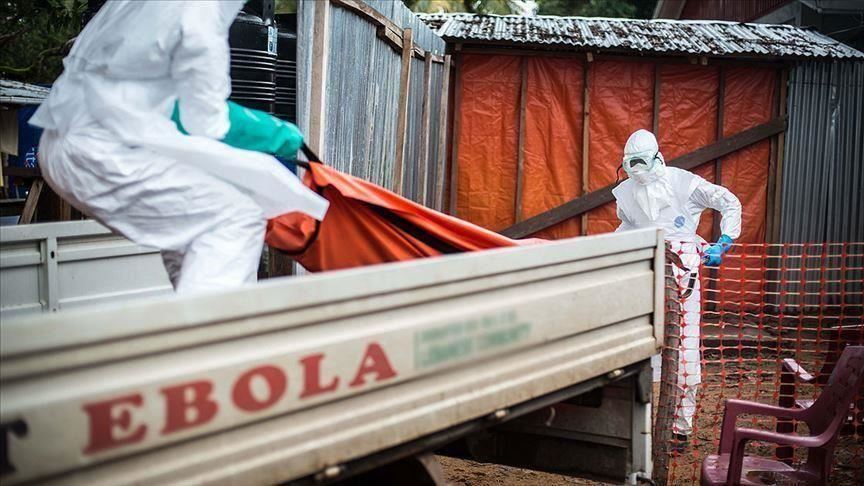
The Ebola outbreak 2026 has put health authorities across Central and East Africa on edge, with infections under active investigation and emergency response teams already on the ground. The Ebola outbreak 2026 Kenya situation grabbed headlines when protests erupted near a proposed quarantine site in Nanyuki residents wanted real answers, and they wanted them fast.
WHO and regional health agencies are working hard to contain the spread. Ebola outbreak 2026 cases are still being confirmed in several areas, but the response machinery has started moving. Governments are urging the public to stay calm while pushing surveillance, border screening, and awareness drives at the same time.
Background
Ebola needs no introduction across much of Africa. The 2014 to 2016 West African outbreak killed thousands and left healthcare systems in three countries in ruins. That memory is still fresh for many of the health officials now managing the current crisis.
The Ebola outbreak 2026 Congo situation is the part of this story that experts feared most. Congo has been hit by more Ebola outbreaks than any other country on earth. The virus lingers in animal populations in its forest regions and finds pathways into human communities with troubling regularity. Once people start moving across borders, what begins as a local problem becomes a regional one fast.
Kenya’s situation is different. The Ebola outbreak 2026 Kenya concern is less about widespread confirmed infections and more about proximity and preparedness. But when a quarantine facility gets announced, the public rarely hears “we are getting ready.” They hear “the virus is already here.” That gap between what officials mean and what communities understand is exactly where things fell apart in Nanyuki.
Ebola Outbreak 2026 Cases Continue to Rise
Suspected infections are being investigated across multiple areas in Central and East Africa. Some have been confirmed. Others are still waiting on lab results. Health teams are not sitting on their hands while the final counts come in — contact tracing and isolation are moving at the same time as testing.
Treatment centres are going up in high-risk zones. Community outreach campaigns are running in areas where people still have limited understanding of how Ebola actually spreads. These are not new tactics, but how quickly they get deployed in the first days of an outbreak can be the difference between containment and crisis.
The Ebola outbreak 2026 map being tracked by international monitoring platforms shows the circle of concern widening. Neighbouring countries have tightened health screening at airports, land borders, and bus stations. Catching a case at a crossing point is far easier than managing a cluster that has already travelled deep into a new population.
Remote areas remain the hardest challenge. Poor road networks, stretched healthcare capacity, and delayed reporting all create gaps the virus can move through before anyone realizes what is happening. International organizations are stepping in with supplies, training, and personnel but those gaps do not disappear just because emergency support arrives.
Ebola Outbreak 2026 Kenya Situation Sparks Public Concern
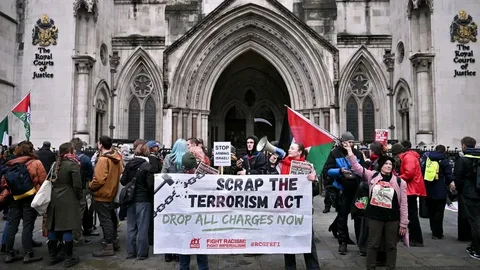
Nanyuki became a pressure point the moment residents learned about plans for a quarantine facility in their neighbourhood. The protests that followed were not irrational. They reflected what happens when people feel like major decisions about their safety are being made somewhere above their heads, without their input.
Kenyan health officials responded by explaining that quarantine planning is a readiness measure, not a sign that infections are already widespread in Kenya. That is accurate. It is also the kind of statement that hits very differently when you live next door to the proposed site.
Kenya’s role as a regional transport and trade hub makes early planning genuinely critical during any outbreak in the region. Nairobi’s airport connects much of East and Central Africa. If the virus is going to reach Kenya, that is the most likely route. Health screenings at entry points have been stepped up, and the government is pushing guidance from verified sources to counter the wave of misinformation spreading online.
Officials are correct that panic makes outbreak response harder. They are also learning, in real time, that public trust cannot be assumed — it has to be earned, especially in communities that have reason to be sceptical of official decisions.
Ebola Outbreak 2026 Congo Remains Under Close Monitoring
Congo brings more Ebola experience to this response than any other country in the world. That experience genuinely counts — health workers there know how containment operations work, and institutional memory is a real asset. But each outbreak has its own geography, its own timing, and its own complications. Experience makes the work possible; it does not make it easy.
The Ebola outbreak 2026 Congo response is focused on rapid isolation and targeted vaccination in affected communities. Local leaders are being pulled into the communication effort because in places where government credibility is low, a community elder or a local pastor carries more weight than a press release from the capital.
Getting into remote villages remains a persistent problem. In parts of eastern Congo, security concerns add a layer of difficulty that has nothing to do with the virus itself health workers operating in conflict zones face risks on multiple fronts. That reality shaped previous outbreaks there and is shaping this one too.
International health organizations believe that early detection has given this response a slightly better starting position than some past outbreaks. Holding that advantage depends entirely on how consistently the containment work can be carried out in places that are genuinely hard to reach.
Ebola Outbreak 2026 Zimbabwe Preparedness Measures
Zimbabwe has not reported widespread direct Ebola infections connected to the current outbreak. But the government is treating that as a reason to prepare harder, not a reason to relax.
Screening at airports and border crossings has been strengthened. Hospitals are reviewing isolation protocols and checking that emergency supplies are actually in stock rather than just on paper. Public awareness campaigns explaining transmission and symptoms are being rolled out across the country.
Healthcare workers are receiving refresher training on protective equipment. In previous outbreaks, healthcare worker infections became one of the fastest drivers of spread when the people treating patients get sick, it undermines the entire response. Zimbabwe is trying to make sure that does not become a factor here.
Regional coordination is also improving. Zimbabwe, Kenya, Congo, and their neighbours are sharing surveillance data and talking to each other faster than during some earlier outbreak responses. Shorter gaps between detection and action are where outbreaks get stopped.
Ebola Outbreak 2026: How Is It Spread?
The Ebola outbreak 2026 how is it spread question is one of the most searched terms connected to this story. A lot of people want a plain, clear answer and they deserve one.
Ebola spreads through direct contact with the bodily fluids of someone who is infected blood, saliva, vomit, urine, sweat, and similar secretions. It also spreads through contact with contaminated surfaces or medical equipment. It does not travel through the air the way the flu does.
That distinction is important. Being in the same room as an infected person does not transmit the virus. Direct physical contact with their bodily fluids does. That is why unprotected healthcare workers face serious risk, and why funeral practices involving physical contact with the deceased have historically driven transmission in previous outbreaks.
Understanding this does not eliminate risk. But it puts the risk where it actually belongs — and it helps people make sensible decisions rather than panicking about casual contact that poses no real danger.
Ebola 2026 Symptoms Health Officials Are Monitoring
The Ebola 2026 symptoms health workers are screening for include sudden onset fever, severe headache, muscle pain, fatigue, vomiting, diarrhoea, and unexplained bleeding or bruising. Symptoms usually appear somewhere between two and twenty-one days after exposure.
The frustrating early-stage reality is that these initial symptoms look a great deal like other common illnesses — malaria, typhoid, and ordinary flu can all present in very similar ways. That makes clinical diagnosis unreliable in the early window, which is why laboratory confirmation has to happen before isolation decisions are finalized.
Anyone who develops these symptoms after potential exposure should seek medical care immediately and limit close contact with others in the meantime. Getting treatment early significantly improves the chances of survival. Many of the fatal cases in past outbreaks were people who delayed seeking care because they did not recognize the exposure risk, or simply could not reach medical services in time.
Global Impact of the Ebola Outbreak 2026
International attention on Ebola outbreak 2026 updates is not just concern from a distance it is operational. Airlines are reviewing protocols. Border health agencies are updating screening guidance. Countries with strong travel links to affected regions are monitoring their imported case risk closely.
Several governments outside Africa have quietly introduced enhanced screening for travellers arriving from high-risk areas. The aim is to catch isolated imported cases before they spark secondary transmission in countries that have no existing Ebola response infrastructure.
The economic side of this story gets less coverage but it matters. Tourism-dependent economies in East Africa are already watching carefully how the outbreak is being reported internationally. Misinformation that blurs the specific affected zones into a vague “all of Africa” narrative which happens repeatedly in international media can trigger travel disruptions that bear no relationship to actual risk. That pattern has played out before, and the damage it causes to livelihoods is very real.
Expert Statements and Health Warnings
Public health professionals are saying the same thing from every platform they have: early detection, fast response, and honest public communication are what stop outbreaks. Panic helps no one. Misinformation actively makes things worse.
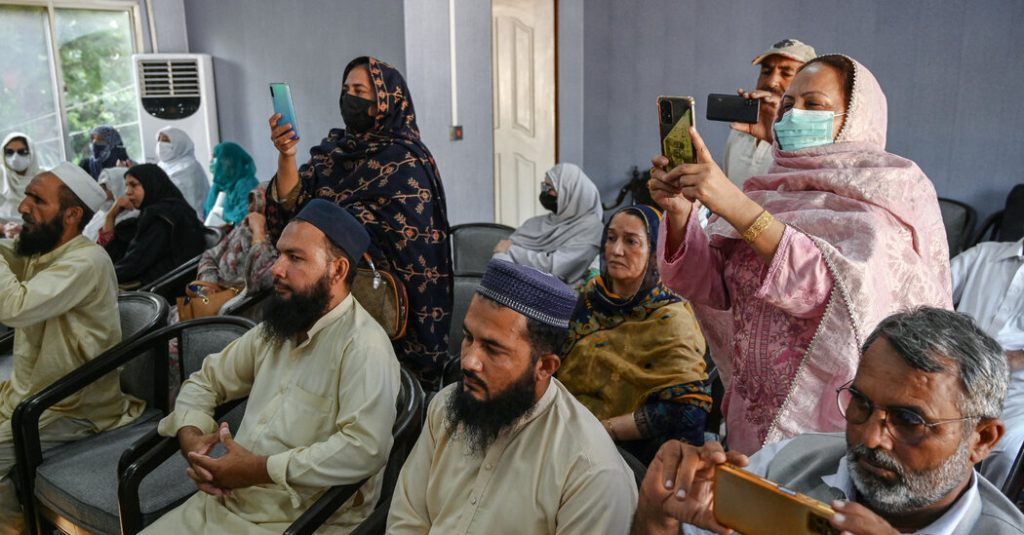
Social media is both a lifeline and a headache in outbreak situations. Accurate information reaches people faster than at any point in history. So does rumour. Health ministries across the region are pushing hard through official channels, trying to get the correct information out before false versions take root and harden into community resistance to treatment or quarantine.
Specialists who have worked previous Congo outbreaks say international cooperation this time around is better coordinated than in some past responses. Whether that coordination is fast enough, and sufficiently resourced, to keep this from escalating that question does not have an answer yet.
Conclusion
The Ebola outbreak 2026 is still unfolding. The response is running, but nothing is settled. Ebola outbreak 2026 cases are still being confirmed and investigated across the region. The Ebola outbreak 2026 Kenya, Congo, and Zimbabwe situations each have their own shape but they are connected, because outbreaks moving through populations that cross the same borders do not respect lines on a map.
The weeks ahead will tell whether early detection and response speed can prevent this from becoming the kind of outbreak that overwhelms regional health systems. Experts say it is containable. History says that containing it requires sustained resources, genuine community cooperation, and officials willing to communicate honestly even when the picture is uncertain.
FAQs
How many Ebola cases in 2026?
Confirmed case numbers are still being updated as laboratory testing continues across several countries. Some suspected infections are still awaiting results. Outbreak reporting always lags the reality on the ground — by the time a number is published, the situation has already shifted. The WHO and national health agencies are the most reliable sources for current figures, and they are updating regularly.
Is there still an Ebola outbreak in Africa?
Yes. As of current reporting, health authorities are actively managing the Ebola outbreak 2026 across several parts of Africa. Contact tracing, testing, quarantine measures, and vaccination campaigns are all running. Active response is not the same as the situation being under control the work is serious and ongoing, and the outcome is not yet confirmed.
Which countries in Africa have Ebola?
Congo, Kenya, and Zimbabwe are the countries at the centre of current Ebola outbreak 2026 coverage Congo for confirmed cases and ongoing transmission, Kenya and Zimbabwe for preparedness measures in response to regional risk. Several neighbouring countries have increased border screening as a precaution. The broader Central and East African region is under active monitoring.