
The Hundred Days War between Israel and armed groups in Lebanon has entered a dangerous new phase, with heavy airstrikes, border clashes, and growing fears of a prolonged regional conflict. The Lebanon war 2026 has already displaced thousands of civilians and damaged critical infrastructure across southern Lebanon.
Military analysts say the Israel occupation of Lebanon 2026 could reshape security dynamics across the Middle East. As international leaders call for restraint, the conflict continues to intensify with no immediate ceasefire in sight.
Background of the Conflict
Tensions between Israel and Lebanon have existed for decades, largely due to border disputes, armed resistance movements, and regional political rivalries. The current conflict, now widely referred to as The Hundred Days War, began after repeated exchanges of fire escalated into a full-scale military confrontation.
The phrase “100 days war” has become one of the most searched terms online. Some people compare the situation with historical conflicts like the 100 days war Napoleon campaign, while others are discussing fictional interpretations through searches such as 100 days war movie and 100 days war game.
The Lebanon war 2026 erupted after months of rising instability along the border. Military operations quickly expanded from isolated attacks into large-scale air raids and ground offensives.
Why Is Israel Attacking Lebanon?
One of the most frequently asked questions online is: Why is Israel attacking Lebanon? Israeli officials claim the military campaign is aimed at eliminating security threats near the northern border and preventing cross-border rocket attacks.
Lebanese authorities and regional observers, however, argue that the scale of the operation goes far beyond defensive action. Critics say the Israel occupation of Lebanon 2026 risks worsening humanitarian conditions and increasing instability across the region.
Several international organizations have warned that continued escalation may lead to broader conflict involving neighboring countries. Diplomatic efforts are ongoing, but no major breakthrough has been announced.
Major Developments During The Hundred Days War
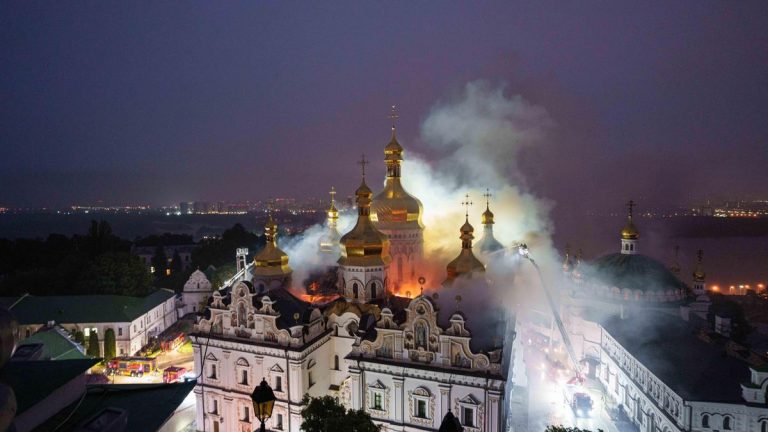
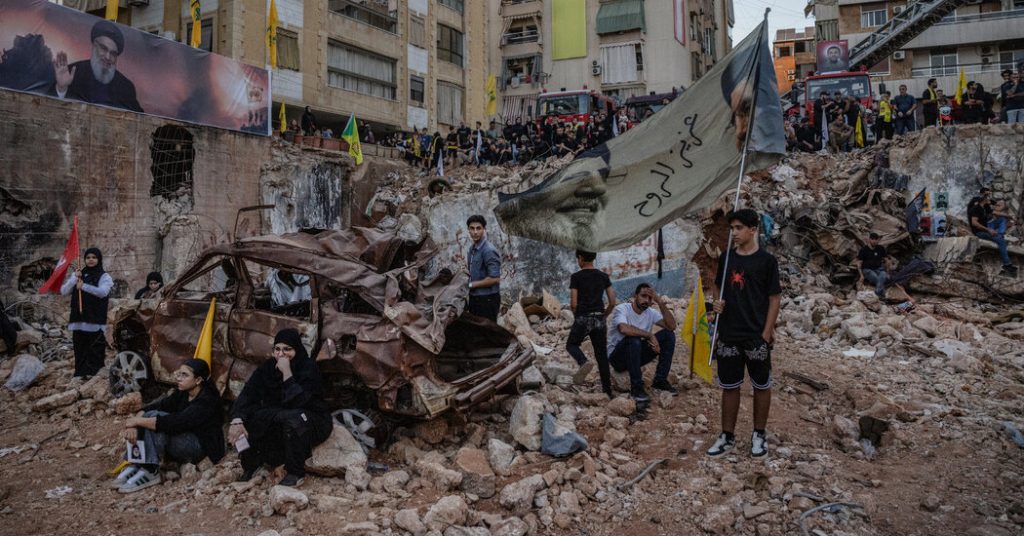
During the past several weeks, multiple cities and villages in southern Lebanon have experienced heavy bombardment. Residential neighborhoods, roads, and communication networks have reportedly suffered extensive damage.
The Hundred Days War has also triggered large-scale displacement. Thousands of families have fled border regions seeking shelter in safer areas. Aid agencies are struggling to provide food, medicine, and emergency supplies as conditions continue to worsen.
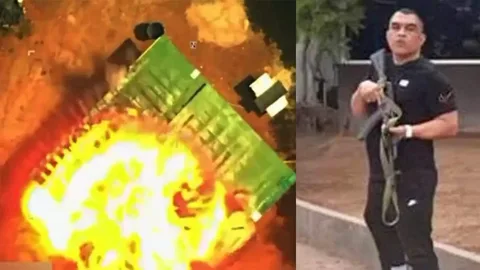
Military experts monitoring the Lebanon war 2026 say the conflict is becoming more complex with every passing week. The use of drones, precision missiles, and surveillance technology has intensified battlefield operations.
At the same time, online interest in phrases like 100 day war trails and 100 days war game continues to rise as people search for historical comparisons and digital simulations related to long military campaigns.
International Reactions
Global leaders have expressed concern over the growing violence. The United Nations has repeatedly called for restraint and immediate humanitarian access to affected areas.
Several Western and Middle Eastern countries are attempting to mediate between the two sides. However, negotiations remain difficult due to deep political divisions and ongoing military activity.
Human rights groups have also raised concerns regarding civilian casualties and infrastructure destruction during The Hundred Days War. International observers warn that continued escalation could destabilize the wider region.
Some analysts believe the Israel occupation of Lebanon 2026 may create long-term security and political consequences similar to earlier conflicts in the Middle East.
Economic and Humanitarian Impact
The Lebanon war 2026 has severely impacted the country’s fragile economy. Businesses in southern regions remain closed, tourism activity has collapsed, and fuel shortages are increasing across several provinces.
Hospitals are operating under extreme pressure due to rising casualties and limited medical resources. Humanitarian organizations say many displaced families urgently need food, shelter, and healthcare assistance.
Regional markets have also reacted negatively to the crisis. Investors fear that The Hundred Days War could disrupt trade routes and increase geopolitical uncertainty across the Middle East.
The humanitarian situation remains one of the most alarming aspects of the conflict. Aid workers say the number of displaced civilians could continue rising if military operations expand further.
Historical Comparisons and Public Interest
Online discussions surrounding the conflict have introduced unusual search trends. Terms such as 100 days war Napoleon are being used by readers comparing the conflict’s rapid escalation to historic military campaigns.
Entertainment-related searches including 100 days war movie and 100 days war game have also gained popularity as audiences look for documentaries, simulations, and fictional interpretations connected to warfare and geopolitical crises.
Meanwhile, social media platforms remain flooded with debates over Why is Israel attacking Lebanon and whether the conflict could evolve into a larger regional war.
Researchers note that modern conflicts often generate significant digital engagement alongside traditional news coverage. The Hundred Days War has become one of the most discussed geopolitical crises online in 2026.
Military Strategy and Regional Security
Security analysts believe the conflict has entered a strategic phase involving intelligence operations, aerial surveillance, and long-range missile systems. Both sides appear determined to maintain pressure despite mounting international criticism.
Experts warn that the Israel occupation of Lebanon 2026 may encourage further instability if diplomatic channels fail. Neighboring countries are closely monitoring developments as fears of broader confrontation increase.
The Lebanon war 2026 is also affecting regional alliances and defense planning. Several governments have increased military preparedness amid concerns about possible spillover violence.
The longer The Hundred Days War continues, the more difficult it may become to achieve a negotiated settlement.
Conclusion
The Hundred Days War has already become one of the most significant conflicts in the Middle East during 2026. As Israel expands military operations in Lebanon, humanitarian concerns and geopolitical tensions continue to grow.
While diplomatic efforts remain active, the future of the Lebanon war 2026 remains uncertain. Analysts warn that without meaningful negotiations, the conflict could continue for months and reshape regional politics for years to come.
International leaders are urging restraint, but civilians caught in the middle of the violence continue to suffer the consequences of an escalating war.
FAQs
How long has Lebanon been in conflict?
Lebanon has experienced political instability and armed conflict for several decades. Major conflicts involving Israel, internal factions, and regional groups have repeatedly affected the country since the late 20th century. The latest Lebanon war 2026 is part of a broader history of tensions that continue to influence regional security and politics today.
What was the 100 Day war?
The Hundred Days War is a term being used to describe the current extended military conflict between Israel and armed groups operating in Lebanon during 2026. The phrase reflects the prolonged duration of the fighting and has become widely discussed in media coverage, online searches, and geopolitical analysis. Some people also compare it with historical military campaigns such as the 100 days war Napoleon era.
Why is there a war in Lebanon now?
The current conflict began after escalating border tensions, missile exchanges, and security incidents between Israel and armed groups in Lebanon. Israeli authorities say military operations are intended to stop attacks near the border, while critics argue the scale of the offensive has intensified regional instability. The Lebanon war 2026 continues due to failed ceasefire negotiations and ongoing military escalation.