
Data centers are the backbone of the digital world, powering AI, cloud computing, and global internet services. As workloads increase, heat generation inside these facilities has also surged, making cooling systems essential. The types of data center cooling systems used today include air-based, liquid-based, hybrid, and water-cooled solutions designed to maintain performance and prevent overheating.
Modern operators are also exploring advanced solutions like immersion cooling and AI-driven temperature control systems to improve energy efficiency and reduce environmental impact.
Background: Why Cooling Systems Matter in Data Centers
Data centers contain thousands of servers that run continuously, producing massive heat output. Without proper cooling, these systems can fail, causing downtime, data loss, and hardware damage.
As artificial intelligence and cloud computing expand, energy consumption has increased significantly. Reports highlight that AI-driven infrastructure can generate extreme heat loads, pushing engineers to redesign data centre cooling systems pdf resources and research models to find efficient solutions.
Traditional cooling methods are no longer sufficient, which is why modern data center cooling system design pdf documents focus on advanced thermal management strategies.
How Do Data Center Cooling Systems Work?
Understanding how do data center cooling systems work requires looking at heat removal processes. Servers generate heat, which is absorbed by air or liquid coolant systems.
Cooling systems then transfer heat outside the facility using chillers, cooling towers, or heat exchangers. In advanced setups, sensors monitor temperature in real time and automatically adjust airflow or liquid flow to maintain stability.
The core goal is simple: maintain optimal temperature and humidity so servers can run efficiently without overheating.
Types of Data Center Cooling Systems
There are several types of data center cooling systems, each designed for different workloads and infrastructure sizes.
1. Air-Based Cooling Systems
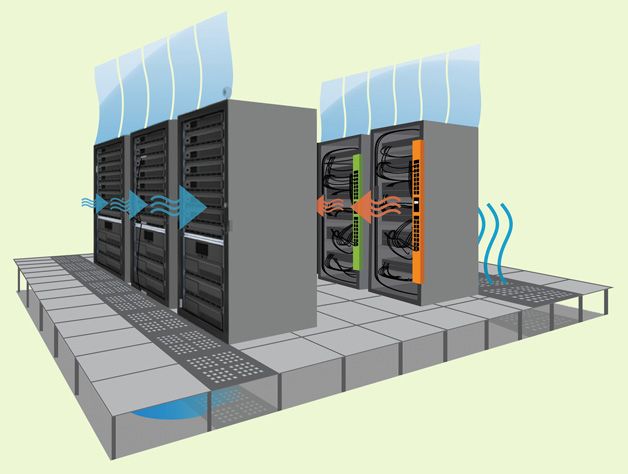
Air cooling is the most common method, using CRAC (Computer Room Air Conditioning) units and fans to circulate cool air. Hot air is extracted and replaced with cooled air in a continuous loop.
2. Liquid Cooling Systems
The data center liquid cooling system is becoming increasingly popular due to high efficiency. Liquid absorbs heat much faster than air, making it ideal for high-performance computing environments.
3. Water-Based Cooling Systems
Many modern facilities rely on how are data centers cooled with water systems, where chilled water circulates through pipes or heat exchangers to remove server heat.
4. Hybrid Cooling Systems
Hybrid systems combine air and liquid cooling methods, balancing cost and performance for medium to large-scale data centers.
Data Center Liquid Cooling System and Innovation
The data center liquid cooling system is widely used in AI data centers and supercomputing facilities. It includes direct-to-chip cooling and immersion cooling technologies.
In immersion cooling, servers are fully submerged in non-conductive liquid, allowing efficient heat transfer. This method reduces energy consumption and improves hardware lifespan.
Manufacturers and Industry Growth
The demand for data center cooling system manufacturers has grown rapidly due to AI expansion and cloud computing growth.
Major manufacturers focus on:
- Energy-efficient cooling units
- Modular cooling systems
- AI-powered temperature control
- Sustainable water usage systems
- High-density server cooling technologies
Companies are investing heavily in research to improve sustainability and reduce carbon emissions from large-scale data centers.
Technical Documents and PDF Resources
Engineers and IT professionals often study data centre cooling systems pdf, types of data center cooling systems pdf, and data center cooling system design pdf documents to understand technical architecture.
These documents include:
- Cooling load calculations
- Airflow optimization models
- Water cooling circuit designs
- Energy efficiency analysis
- Environmental control strategies
Such resources help in designing efficient and scalable data centers.
Expert Insights and Industry Views
Experts in cloud infrastructure highlight that cooling is now one of the largest operational costs in data centers.
Industry engineers explain that:
- Heat density is increasing due to AI workloads
- Traditional air cooling is reaching its limits
- Liquid-based systems are the future of high-performance computing
- Sustainability is now a key design factor
These insights show a clear shift toward advanced cooling technologies.
Impact on Global Technology Infrastructure
The evolution of types of data center cooling systems is reshaping global technology infrastructure.
Key impacts include:
- Reduced energy consumption in large facilities
- Improved AI and cloud performance
- Lower risk of system failures
- Increased demand for renewable-powered cooling systems
- Expansion of green data center initiatives
Countries investing in digital infrastructure are now prioritizing efficient cooling designs as part of national technology strategies.
Future of Data Center Cooling
The future of data center cooling is moving toward fully automated and sustainable systems. AI-driven cooling management will optimize temperature control in real time.
Water-efficient designs and advanced liquid cooling methods will reduce environmental impact. As computing demand continues to grow, cooling innovation will remain a critical part of infrastructure development.
Conclusion
The types of data center cooling systems used today reflect the growing complexity of global digital infrastructure. From air-based systems to advanced liquid cooling technologies, each method plays a crucial role in maintaining performance and efficiency.
As AI and cloud computing continue to expand, cooling systems will become even more advanced, sustainable, and essential for the future of technology.
FAQs
What is the most efficient way to cool a data center?
The most efficient cooling method today is liquid cooling, especially direct-to-chip and immersion cooling systems. These methods remove heat faster than air-based systems and reduce overall energy consumption.
What are the four types of cooling?
The four main types are air cooling, liquid cooling, hybrid cooling, and water-based cooling systems. Each type is designed for different levels of server density and performance requirements.
Can data centers be cooled without water?
Yes, some data centers use air-only cooling systems, but they are less efficient for high-performance workloads. Modern facilities often combine air and liquid systems for better thermal management.