The Gaza humanitarian crisis is getting worse by the day. Hospitals are running critically low on medicines, surgical equipment, and basic healthcare supplies, and medical organizations are sounding the alarm loudly. Thousands of patients are at growing risk as their access to treatment shrinks, while humanitarian agencies keep pushing for urgent assistance and broader aid access across the territory.
Background
Months of conflict and disruption have steadily dismantled Gaza’s humanitarian situation. Damaged healthcare infrastructure, blocked supply routes, and mass displacement have left medical professionals trying to provide care in conditions that would be nearly impossible under any circumstances.
Hospitals that once served large, stable communities are now stretched far beyond their limits. Critical medications are running low. Surgical equipment is scarce. Insulin, diagnostic tools the basics of functioning healthcare are increasingly hard to come by. Patients with chronic conditions and life-threatening illnesses are left in a state of dangerous uncertainty.
The Gaza humanitarian crisis has drawn sustained international attention as aid organizations continue to press for more support and stronger protections for what remains of the healthcare system.
Medical Shortages Continue to Affect Patients
The picture painted by reports on Gaza medical shortages today is grim. Doctors describe situations where essential medications simply aren’t there forcing healthcare workers into impossible decisions about who gets treated and how.
The patients hit hardest are those who need consistent, ongoing care: people living with diabetes, cancer, kidney disease, and cardiovascular conditions. Regular treatment has become increasingly difficult to access, and the consequences of interrupted care can be severe complications, deterioration, and in some cases, death.
The shortages don’t stop at medications either. Fuel limitations, damaged facilities, and a lack of equipment have eaten away at hospital capacity. Emergency rooms are packed. Resources keep shrinking. International health experts warn that the healthcare system is edging toward a breaking point.
Humanitarian Organizations Raise Alarm
Multiple international aid groups have stepped up their warnings in recent weeks. A recent MSF statement on Gaza put it plainly: there is an urgent need for greater humanitarian access and real protection for healthcare services.
The crisis, as humanitarian organizations describe it, goes well beyond hospital walls. Families displaced by conflict are simultaneously grappling with shortages of clean water, food, and shelter compounding an already devastating situation.
Aid agencies are consistent in what they’re asking for: consistent, uninterrupted delivery of medicines, equipment, and trained personnel. Without that, they argue, further deterioration is inevitable.
The latest MSF statement on Gaza also drew specific attention to the most vulnerable children, elderly people, and those with chronic illnesses who depend on regular medical attention just to survive.
Is MSF Still Operating in Gaza?
Searches for Is MSF still in Gaza have spiked in recent weeks, reflecting genuine public concern about the state of medical operations on the ground. Despite serious operational challenges, medical humanitarian organizations are still present and still working partnering with local healthcare providers, offering emergency medical assistance, and doing what they can to keep hospitals functioning under extraordinary pressure.
Questions about MSF leaving Gaza have surfaced given how difficult the environment has become. Security threats, logistical obstacles, and access restrictions have all taken a toll. But humanitarian organizations haven’t walked away they continue to push hard for safe access and expanded medical support for the civilian population.
Healthcare experts are clear on this point: keeping humanitarian operations running isn’t optional. It’s the difference between preventable deaths and a chance at survival.
Growing Need for Gaza Humanitarian Aid
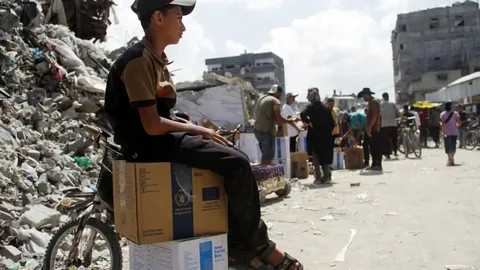
The demand for Gaza humanitarian aid keeps climbing as needs spread across multiple sectors. Food, medical care, shelter, and clean water remain the most urgent priorities and supply is nowhere near meeting demand.
Aid agencies report that many families are struggling to meet the most basic daily needs. Children face heightened risks of malnutrition and disease. Education has been severely disrupted. Healthcare workers warn that without sustained, scaled-up assistance, the situation will keep getting worse.
International organizations have made the call repeatedly: more support is needed, from governments, donors, and humanitarian partners alike. Coordinated action is necessary — not just to stabilize healthcare, but to address the full scope of what people are facing.
How effective Gaza humanitarian aid can actually be depends enormously on whether organizations can safely deliver what they’re carrying.
Impact on Regional Stability
The Gaza humanitarian crisis isn’t a contained local problem. Humanitarian emergencies on this scale send ripple effects outward displacement, economic pressure, and strain on neighboring regions are all part of the wider picture.
International policymakers are watching closely, aware that addressing healthcare shortages now is one of the few levers that can reduce longer-term humanitarian consequences.
The crisis has also sharpened a broader international conversation about humanitarian law, civilian protection, and exactly what responsibilities global actors carry in active conflict zones. Aid organizations continue pressing for answers — and for action.
Ways to Help Gaza
As awareness has grown, more people are actively looking for practical ways to help Gaza. Humanitarian experts consistently point to one recommendation: support reputable, established aid organizations that provide medical assistance, food support, and emergency relief and research them carefully before donating.
Financial contributions tend to offer the most flexibility, allowing aid agencies to respond quickly as conditions on the ground shift.
Beyond direct giving, awareness-raising, advocacy, and community fundraising all matter too. These efforts can expand the reach of humanitarian operations while keeping public attention on needs that are urgent and ongoing.
For anyone searching for the best charity to donate to Gaza, experts recommend checking transparency records, humanitarian track records, and how effectively organizations can actually deliver in difficult conditions.
International Response Continues
Governments, humanitarian agencies, and international institutions are still in active discussions about increasing assistance and improving conditions for aid delivery. Relief organizations, despite the obstacles, remain focused on scaling up support for the most vulnerable.
Pressure on the international community to act is mounting to close the gap between healthcare need and supply, and to ensure that what remains of Gaza’s medical infrastructure can keep functioning.Sustained humanitarian engagement, observers note, will be essential to prevent conditions from deteriorating further.
Conclusion
The Gaza humanitarian crisis is one of the most urgent humanitarian emergencies the region has seen. Severe medical shortages, overwhelmed hospitals, and needs that keep outpacing available resources are putting thousands of lives in real danger.
Humanitarian organizations are doing what they can. But the situation makes the case clearly: more Gaza humanitarian aid is needed, access to medical supplies must improve, and long-term investment in healthcare infrastructure cannot wait. What happens in the coming weeks will go a long way toward determining whether aid can actually reach the people who need it most.
FAQs
Why is there a shortage of medical supplies?
The shortage comes from multiple directions hitting at once damaged healthcare infrastructure, fractured supply chains, transportation breakdowns, and surging demand driven by ongoing conflict. Hospitals need a steady, uninterrupted flow of medicines, equipment, and fuel. Right now, humanitarian organizations say that flow is nowhere close to what’s needed.
Is food and medicine getting into Gaza?
Some humanitarian aid, including food and medicine, is getting through various channels. But aid organizations are consistent in their message: what’s arriving falls well short of what the situation actually demands. Logistics, security challenges, and distribution difficulties all slow down delivery, meaning essential goods often don’t reach communities fast enough or in sufficient quantities.
What is the problem in Gaza now?
Gaza is facing a large-scale humanitarian emergency on multiple fronts healthcare shortages, food insecurity, mass displacement, infrastructure destruction, and severely limited access to basic services. Hospitals are under extreme pressure. Humanitarian agencies are calling urgently for expanded aid access and stronger international support to address needs that are immediate and life-threatening.