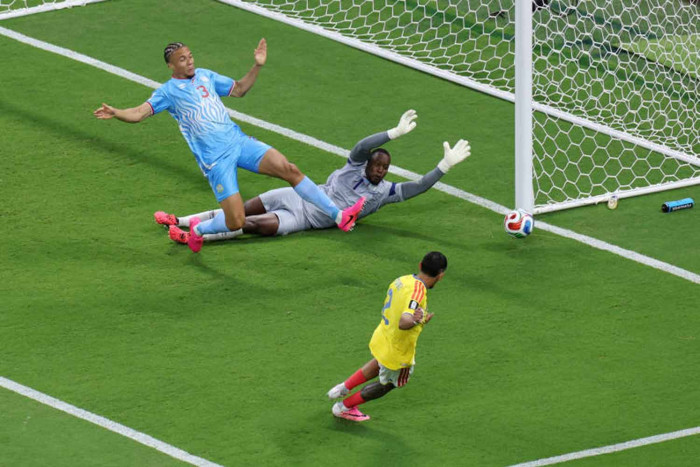
Colombia reaches knockout stage World Cup and the nation is celebrating. A narrow but hard-earned victory over DR Congo in the FIFA World Cup 2026 group stage was enough to confirm the South Americans’ place in the next round, as they delivered when it mattered most.
The celebrations that followed were well-earned. Colombia reaches knockout stage live trended across social media as fans tracked every tense moment of the qualification race, and the final whistle brought pure relief and joy in equal measure.
Background
The FIFA World Cup 2026 is the largest edition of the tournament ever staged, with 48 nations competing for football’s ultimate prize. The expanded format has raised the level of competition across the board, giving more countries than ever a shot at the world stage and making every group-stage point count.
Colombia arrived at the tournament with genuine expectations behind them. Solid qualifying performances and a string of impressive international showings had established them as one of South America’s most dangerous sides outside the traditional heavyweights.
Going into the DR Congo fixture, Colombia needed something from the game. The group standings were tight, the stakes were real, and there was no room for complacency.
Match Details
From the first whistle, it was clear neither side had come to settle. DR Congo came out sharp and direct, looking to exploit space on the counter and put Colombia under early pressure.
Colombia absorbed it well. The midfield got a grip on the game gradually, taking control of possession and slowing things down to their own rhythm. Patient, organized, and hard to break down Colombia made DR Congo work for every inch.
The first half saw Colombia build pressure without finding the breakthrough. Several promising moves tested DR Congo’s defensive structure, but the goalkeeper and backline held firm, keeping it level heading into the interval.
The goal, when it came, was well-constructed. Colombia spotted a gap in the DR Congo defense, moved through it with purpose, and converted. The stadium erupted. The supporters who had been nervously watching suddenly had something to cheer.
That goal changed the match entirely. DR Congo, now needing to chase the game, pushed forward and opened up spaces. The final half-hour was tense and stretched, with Colombia needing to hold their shape as the pressure built.
They did. The defensive unit stayed disciplined, the midfield tracked back, and Colombia managed the closing stages with enough composure to see the job through. When the final whistle blew, Colombia reaches knockout stage World Cup became the phrase on every fan’s lips.
Colombia’s Road to Qualification
The journey through the group stage said a lot about this Colombia side. They showed balance dangerous enough going forward, but never reckless at the back. That combination of qualities is what ultimately got them through.
Across the squad, players stepped up at the right moments. Experienced heads steadied things when nerves crept in, and the team’s tactical shape held firm across every match. In a World Cup group stage, consistency is everything and Colombia delivered it.
Perhaps most impressive was how the team handled pressure situations. In the moments that counted, they showed maturity beyond what many had expected. That kind of temperament doesn’t come by accident it’s built over years of competition and preparation.
Colombian supporters, for their part, have every reason to feel encouraged heading into the knockouts.
Reaction From Coaches and Players
The mood in the Colombian camp after the final whistle was one of quiet satisfaction mixed with a clear sense of purpose. Qualification is celebrated, but no one inside that dressing room is under any illusion that the hard part is over.
Coaching staff praised the players’ commitment across the group stage, singling out their concentration and work ethic as key factors. They also made clear that the mentality has to shift now the knockout rounds demand something different.
Players spoke warmly about the support from fans back home and around the world, calling the qualification a meaningful achievement while stressing that the team’s ambitions don’t stop here.
Football analysts watching from the outside largely agreed Colombia’s tactical structure and ability to perform under pressure mark them out as a team capable of causing problems for stronger opponents in the rounds ahead.
Impact of the Result
For Colombia, this is more than just a box ticked. Reaching the knockout stage validates the work that’s gone into this World Cup cycle the preparation, the tactics, the squad-building and gives the team a platform to show what they’re really capable of.
For DR Congo, the defeat hurts, but their World Cup story isn’t without its positives. Competing on football’s biggest stage brings experience that no domestic competition can replicate, and that will feed into the national team’s development going forward.
From the tournament’s perspective, Colombia’s qualification adds another serious, well-organized team to the knockout bracket. Neutral fans can now look forward to seeing how they match up against the elite sides still in the competition.
Back in Colombia itself, the victory has only deepened the public’s connection to this team. When a national squad reaches the knockouts at a World Cup, it does something to a country and that energy is very much alive right now.
Colombia Reaches Knockout Stage Live: Fan Reactions
The moment qualification was confirmed, social media lit up. Colombia reaches knockout stage live dominated football conversations across multiple platforms, with supporters sharing celebrations, highlights, and messages of pride from every corner of the globe.
The response was emotional. Fans praised the team’s resilience, their defensive discipline, and their collective determination to get the job done. Many acknowledged that it wasn’t always pretty but in a World Cup group stage, results matter more than aesthetics.
Cities across Colombia saw supporters gathering to watch the match together, and the final whistle triggered scenes of genuine joy. The belief is growing. The team is through, and the dream is very much alive.
What Comes Next?
Now the real test begins. Knockout football operates on a completely different logic one slip, one bad night, and you’re going home. The margins shrink, the pressure intensifies, and the quality of opponent goes up.
Colombia’s coaching staff will get straight to work studying potential opponents, fine-tuning tactics, and managing the squad’s physical condition carefully. Recovery and preparation will matter as much as anything that happens on the pitch.
But the confidence is there. A team that navigates a World Cup group stage successfully, under pressure, and with the consistency Colombia has shown, tends to carry momentum into the knockouts. That’s exactly what they’ll be hoping to do.
Conclusion
Colombia reaches knockout stage World Cup, and they’ve done it the right way through discipline, organization, and the kind of collective determination that tends to take teams far in tournaments like this. The group stage is done. The real competition is just beginning.
FIFA World Cup 2026 has plenty more drama to deliver, and Colombia will be right in the middle of it. With millions of passionate supporters watching every kick, and a squad that’s proven it can handle the big moments, the South Americans head into the knockout rounds with genuine belief and genuine reason for it.
FAQs
Who won Colombia vs. Congo?
Colombia defeated DR Congo in a tightly contested FIFA World Cup 2026 group-stage match. The win was decisive it secured Colombia’s qualification for the knockout rounds and reflected the team’s defensive discipline and ability to take their chances when it counted.
Is Round of 32 a knockout stage?
Yes. The Round of 32 is the opening phase of the knockout stage at FIFA World Cup 2026. Unlike the group stage, there are no second chances here lose, and you’re out. Every match carries the full weight of elimination.
How many teams go to the knockout stage of the World Cup 2026?
With the tournament expanded to 48 teams, 32 nations advance from the group stage into the knockout rounds. Those 32 teams compete in the Round of 32, then progress through the Round of 16, quarterfinals, semifinals, and ultimately the final.