
Israel has intercepted all vessels of the Global Sumud Flotilla in international waters, detaining over 400 activists from more than 40 nations who were attempting to deliver humanitarian aid to Gaza. Freed activists allege severe mistreatment in Israeli custody, including physical assault and sexual abuse claims Israel denies. Amnesty International Gaza supporters, Gaza flotilla news followers, and world governments are demanding an independent investigation as the crisis deepens.
Background: What Is the Global Sumud Flotilla?
The word “sumud” means steadfastness in Arabic and the Global Sumud Flotilla has lived up to that name through repeated attempts to challenge Israel’s naval blockade of Gaza. The flotilla movement emerged in 2006 and expanded after Israel imposed its blockade on Gaza in 2007. Since then, hundreds of vessels organised by international solidarity groups have attempted to reach the territory, carrying humanitarian aid and activists.
After a symbolic launch in Barcelona on April 12, the Global Sumud Flotilla set out across the Mediterranean Sea to bring aid to Gaza in what proved to be the largest civilian maritime convoy of its kind: 58 vessels, more than a thousand participants from over a hundred countries. Amnesty International Gaza called on governments to guarantee safe passage, and Greenpeace sent the Arctic Sunrise.
The spring 2026 mission was the flotilla’s second major attempt. The Global Sumud Flotilla was founded by several international activist networks. During a previous attempt in autumn 2025, Israeli special forces stormed the convoy and prevented it from reaching Gaza. The activists, including Swedish climate campaigner Greta Thunberg, were taken into custody and subsequently deported.
What Happened to the Sumud Flotilla
The Interception
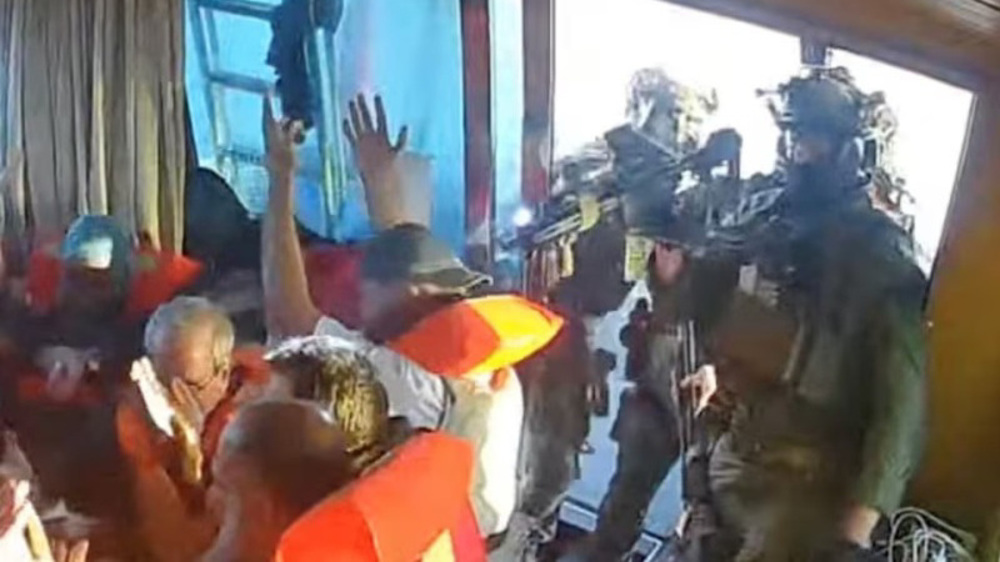
Israeli forces intercepted all remaining vessels from the activist flotilla attempting to challenge Israel’s naval blockade of Gaza. On Monday, the Israeli navy stopped some 41 boats from the flotilla in international waters off Cyprus and detained those on board. Israeli forces then boarded the vessels as activists in life vests put their hands up, and soldiers destroyed cameras mounted on the vessels.
Italy’s Foreign Minister Antonio Tajani called for an urgent review of Israel’s use of force after Italian activists said soldiers fired rubber bullets at vessels. The flotilla said late Tuesday that 428 detained activists from over 40 nations remained “unaccounted for” as they had neither contact with lawyers nor access to consular help, and their families hadn’t been informed of their whereabouts.
Allegations of Abuse
What happened next shocked the international community. One hundred and seventy-five people were held aboard an Israeli frigate for up to 40 hours, denied adequate food and water, with the floor beneath them repeatedly and deliberately flooded. They were punched, kicked, and dragged across the deck with hands bound.
Global Sumud Flotilla organisers said the group had documented at least 15 cases of sexual abuse, with several activists hospitalised with injuries a day after hundreds were deported from Israel. Israel’s prison service denied the allegations.
Deportations and Return
Israel deported hundreds of foreign activists following global outcry over their treatment in custody. In Turkey, dozens of flotilla participants arrived at Istanbul airport, some wearing keffiyehs and holding up their fingers in a peace sign, with crowds of supporters brandishing Palestinian flags welcoming them. Ankara evacuated 422 people on chartered flights, including 85 of its own citizens, and deployed doctors and ambulances to treat participants.
What Happened to Greta Thunberg in Gaza
Swedish climate activist Greta Thunberg has been one of the most prominent international faces of the Global Sumud Flotilla across both its missions. During the October 2025 voyage, Israeli forces intercepted and seized the flotilla vessels in international waters, temporarily jailing activists in Israel. Greta Thunberg and others said they were physically and psychologically abused by their captors.
In October 2025, Israeli forces arrested over 450 participants from the flotilla attempt, among them Greta Thunberg and Mandla Mandela, grandson of Nelson Mandela. Despite that experience, many activists chose to return for the 2026 mission a decision that lent the voyage what observers described as a grave moral authority.
During the 2026 spring mission, Thunberg’s involvement continued to draw international attention to the Gaza flotilla news, helping amplify calls for governments to act and for citizens to write to local MPs about Gaza demanding action.
Quotes: What Officials and Activists Are Saying
Canadian Prime Minister Mark Carney told Israeli President Isaac Herzog that the treatment of activists detained by Israel had been “appalling” and described the situation in Gaza as “catastrophic.” “The Prime Minister reiterated that the appalling treatment of civilians, including Canadian citizens, aboard the Gaza-bound flotilla was unacceptable, and he called for an independent investigation,” the statement said.
Carney stated: “The protection of civilians and respect for human dignity must be upheld everywhere, at all times,” noting that Canada had imposed sanctions on Israeli National Security Minister Ben-Gvir last year over repeated incitements of violence against Palestinian communities.
The foreign ministers of 10 countries, including Spain, Brazil and India, slammed Israeli forces’ actions as “blatant violations of international law and international humanitarian law.”
The United Nations called for the immediate release of two Sumud Flotilla organisers still being held, with UN rights office spokesperson Thameen Al-Kheetan calling for an investigation into “disturbing accounts of severe mistreatment.”
Sumud Flotilla Hostages: Who Was Detained
The Sumud Flotilla hostages situation drew urgent diplomatic responses from dozens of governments. Flotilla spokesperson David Heap told CNN that approximately 60 boats had been intercepted and more than 400 activists detained. Lawyers from Israeli human rights organisation Adalah were able to see some of the detainees at the port of Ashdod before they were transferred to Ketziot prison in southern Israel’s Negev desert.
Two key organisers Saif Abu Keshek and Thiago Avila were held for extended periods. Abu Keshek had been held for questioning over his affiliation with the Hamas-linked Popular Conference for Palestinians Abroad, while Avila was suspected of “illegal activity.” Both were eventually released and deported.
Canadian Foreign Minister Anita Anand said she had spoken to her Israeli counterpart Gideon Saar and told him Ottawa would provide Israel with evidence of the mistreatment of Canadians on the flotilla. Israel’s ambassador to Canada told the Globe and Mail that bilateral government-to-government relations were the worst they had ever been.
Amnesty International Gaza and the Call to Write to Local MPs
Amnesty International Gaza campaigns have consistently highlighted the dire humanitarian situation resulting from the naval blockade. Amnesty International called on governments to guarantee safe passage for the flotilla ahead of its departure, with the organisation framing the mission as a direct response to what it described as systemic failures by states and institutions to uphold international law.
Human rights advocates are urging the public to write to local MPs about Gaza and push for parliamentary debates on the flotilla crisis. Campaigners argue that the interception of a civilian humanitarian convoy in international waters and the alleged abuse of detainees — demands a formal legislative response in every country whose nationals were aboard the vessels.
Those wishing to support Gaza relief can also look to Amnesty Gaza donate campaigns, which fund legal advocacy, documentation of abuses, and direct pressure on governments. Amnesty International’s work on Gaza focuses on accountability and ensuring that incidents like the flotilla interceptions are formally investigated.
Impact: Global Diplomatic Fallout
The Gaza flotilla news has triggered one of the most significant diplomatic ruptures between Israel and its Western allies in recent years. Canada joined Italy, France, and the Netherlands in summoning Israeli ambassadors after National Security Minister Itamar Ben-Gvir shared a video taunting detained activists, who were shown forced to kneel on the ground in rows with their hands tied behind their backs.
Spanish police also became entangled in the controversy, forcibly detaining members of the Global Sumud Flotilla and their supporters at Bilbao Airport after the activists returned from Israeli detention. Videos showed officers beating and dragging people.
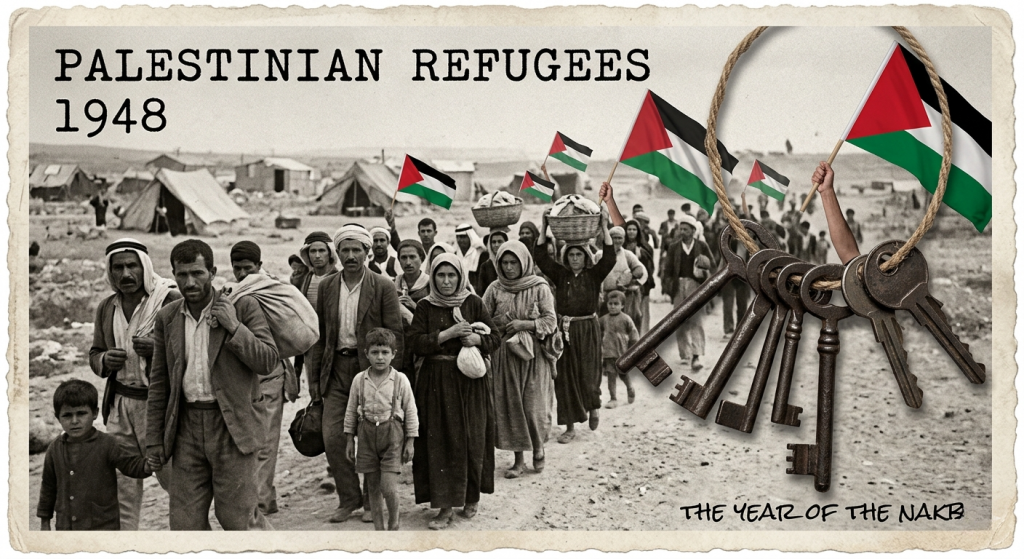
The Global Sumud Flotilla has announced it intends to continue its mission. A flotilla of 54 vessels and over 500 activists would be embarking from Marmaris, Turkey. GSF Steering Committee member Saif Abu Keshek said: “We sail one day before the Nakba, not only to commemorate the anniversary of the Nakba, but to act on it.”
Conclusion: What Comes Next
The Global Sumud Flotilla crisis has put the Gaza flotilla news at the centre of international diplomacy. With Amnesty International Gaza documenting abuse allegations, world leaders demanding independent investigations, and the flotilla preparing to sail again, the confrontation between civilian humanitarians and Israel’s naval blockade shows no signs of ending.
Analysts suggest that while the flotilla faces enormous physical risks, the political cost to Israel of each interception is rising sharply with allies openly distancing themselves from Israeli government actions for the first time in years.
Citizens and campaigners across the world are being urged to write to local MPs about Gaza, support Amnesty Gaza donate initiatives, and keep international pressure on governments to act. The Sumud Flotilla hostages crisis has demonstrated that civilian solidarity actions can reshape diplomatic agendas even if they have not yet succeeded in breaking the blockade itself.
FAQs
Who are some prominent Palestinian activists?
Several activists have gained global recognition through their advocacy for Palestinian rights. Mandla Mandela, grandson of Nelson Mandela, joined the Global Sumud Flotilla in October 2025 and was detained by Israeli forces. Saif Abu Keshek is a Palestinian organiser and key Global Sumud Flotilla steering committee member who was held in Israeli detention and subsequently became a central figure in the Sumud Flotilla hostages international response. Francesca Albanese, the UN Special Rapporteur on Human Rights in the Occupied Palestinian Territories, is another prominent voice who addressed the Global Sumud Flotilla Congress in Brussels. Swedish climate activist Greta Thunberg has also joined flotilla missions, raising global attention to the Gaza flotilla news.
Which charity gives 100% to Gaza?
Several organisations direct a very high proportion of donations directly to Gaza relief. Islamic Relief and the Palestinian Children’s Relief Fund (PCRF) are widely cited for low overhead models. Doctors Without Borders (Médecins Sans Frontières) operates directly in Gaza with medical teams on the ground. Amnesty International Gaza campaigns focus on legal advocacy and documentation, which complements direct aid efforts. When considering an Amnesty Gaza donate contribution or any other charitable giving for Gaza, it is advisable to check each organisation’s most recent financial disclosures, as administrative ratios vary and conditions in Gaza affect how and when funds can be disbursed.
Who has provided the most aid to Gaza?
The United Nations Relief and Works Agency for Palestine Refugees (UNRWA) has historically been the largest single provider of aid to Gaza, running schools, clinics, and emergency food distribution across the territory. The United States, European Union member states, and Gulf nations including Qatar and the UAE have been among the largest governmental donors of humanitarian funding to Gaza. However, Gaza flotilla news and multiple humanitarian reports confirm that physical access restrictions including the naval blockade that the Global Sumud Flotilla has repeatedly attempted to challenge have severely limited how much of that aid actually reaches Palestinian civilians on the ground.