
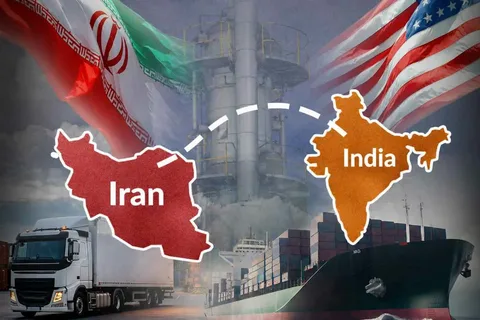
The escalating tensions between Iran and Israel are creating serious concerns for the Indian economy, energy security, and regional stability. Experts believe the Iran war impact on India could become more visible in the coming months as oil prices rise and global trade routes face disruptions. India, which imports a large portion of its crude oil, may experience inflationary pressure, higher transportation costs, and stock market volatility if the conflict continues.
The consequences of Iran Israel war are not limited to the Middle East alone. Asian economies, especially India, are closely monitoring the situation because of their dependence on energy imports and international trade. Analysts say the Iran conflict impact on India could affect fuel prices, government finances, exports, and consumer spending patterns throughout 2025.
Background of the Iran-Israel Conflict
The latest conflict between Iran and Israel intensified after a series of military exchanges and regional security incidents in the Middle East. Diplomatic tensions had been increasing for months before direct attacks and retaliatory actions pushed the situation toward a broader regional crisis. Global leaders are now calling for restraint to prevent a larger war in the region.
Iran plays a major role in global oil production and shipping routes, especially around the Strait of Hormuz. Any military escalation in this region immediately affects global energy markets. Since India relies heavily on imported oil, the Iran war impact on India has become a major topic among economists and policymakers.
International observers fear that if the conflict expands further, shipping costs and insurance premiums for cargo movement may rise sharply. This could create additional economic pressure on developing economies including India, Pakistan, Bangladesh, and Sri Lanka.
Iran War Impact on India’s Economy
The impact of Iran Israel war on economy is already becoming visible through rising crude oil prices. India imports more than 80 percent of its oil requirements, making the country highly vulnerable to global supply disruptions. If oil prices continue increasing, transportation costs and manufacturing expenses may also rise across multiple sectors.
Economic experts believe the Indian economy Iran war impact could lead to inflationary trends in fuel, food, and consumer products. Higher import bills may widen India’s fiscal deficit and increase pressure on government subsidies. Sectors such as aviation, logistics, chemicals, and transportation are expected to face immediate financial strain.
The Indian rupee may also come under pressure if foreign investors begin moving funds toward safer global assets. Currency fluctuations often create instability in emerging economies during periods of geopolitical uncertainty. Financial analysts warn that prolonged conflict could slow economic growth projections for the next fiscal year.
Impact on Oil Prices and Energy Security
One of the biggest effects of Iran war is the sharp increase in global oil prices. Even minor disruptions in the Middle East can influence international crude markets because the region supplies a large portion of the world’s energy demand. Rising oil prices directly affect India’s import costs and domestic fuel rates.
India has been working to diversify its energy suppliers in recent years, but the Middle East remains a key source of crude oil imports. Experts say the Iran conflict impact on India may force the government to reconsider energy policies and strategic reserves if tensions continue for a longer period.
Petrol and diesel prices could rise significantly if the war expands further. This may increase inflation across food supply chains, public transport systems, and industrial production. Economists believe the impact of Iran Israel war on economy will largely depend on how long the conflict continues and whether shipping routes remain operational.
Indian Stock Market Reactions
Financial markets in India have already shown signs of caution amid rising geopolitical tensions. Investors are closely monitoring developments in the Middle East because international conflicts often trigger uncertainty in global markets. Sectors dependent on fuel and imports have experienced fluctuations in recent trading sessions.
The Indian economy Iran war impact on society may become more noticeable if stock market instability affects consumer confidence and business investments. Market analysts suggest that energy companies could benefit temporarily from higher prices, while airlines and transport businesses may face declining profit margins.
Foreign institutional investors tend to reduce exposure in emerging markets during global conflicts. This movement can impact stock indices, weaken the rupee, and reduce liquidity in domestic markets. Experts are advising investors to remain cautious until geopolitical tensions stabilize.
Trade and Regional Business Concerns
India maintains important trade relations with several Middle Eastern countries. Any disruption in regional trade routes could impact imports, exports, and shipping timelines. Businesses dealing in chemicals, fertilizers, pharmaceuticals, and petroleum products may experience operational delays and higher costs.
The Iran war impact on India is also connected to maritime security in the Arabian Sea and surrounding regions. Shipping companies may increase freight charges due to higher insurance risks. Importers and exporters are already reviewing contingency plans in case the conflict affects regional ports.
Trade experts believe India may strengthen partnerships with alternative suppliers to reduce dependency on unstable regions. However, sudden changes in supply chains usually require time and financial investment, making short-term economic pressure unavoidable.
Social and Political Impact on India
The Indian economy Iran war impact on society could extend beyond fuel prices and trade disruptions. Rising inflation may affect household budgets, transportation expenses, and food prices. Lower-income families often face the greatest financial pressure during periods of economic uncertainty.
Political analysts believe India will continue balancing diplomatic relations carefully with both Iran and Western nations. India has traditionally maintained strategic partnerships across multiple regions while prioritizing energy security and regional stability.
Universities, migrant workers, and Indian citizens living in Middle Eastern countries may also face concerns if tensions escalate further. The government is expected to monitor evacuation preparedness and international travel advisories closely.
Expert Opinions on the Crisis
Economic analysts warn that prolonged geopolitical conflicts often create ripple effects across developing economies. Experts from financial institutions believe India’s economic resilience will depend on inflation management, foreign reserves, and energy planning.
Some foreign policy specialists argue that India may use this situation to accelerate renewable energy investments and reduce long-term dependence on imported oil. Others believe regional diplomacy and peace negotiations remain the best solution to prevent wider economic damage.
Global market observers are also watching whether major powers intervene diplomatically to reduce tensions. Any ceasefire agreement or peace talks could stabilize markets and reduce pressure on oil prices worldwide.
Future Outlook
The consequences of Iran Israel war may continue influencing international markets throughout 2025 if diplomatic solutions are delayed. India’s economy remains relatively strong compared to many emerging nations, but external geopolitical shocks can still create inflationary and financial challenges.
Government officials are expected to monitor oil reserves, trade policies, and economic indicators carefully in the coming months. Businesses and investors will likely remain cautious until the situation becomes more predictable.
While the full Iran war impact on India is still developing, economists agree that regional stability is critical for global economic recovery. Any further escalation may affect not only India but also several Asian and European economies connected to Middle Eastern energy supplies.
FAQs
Does the Iran-Israel war affect the Indian stock market?
Yes, the Iran-Israel conflict can significantly affect the Indian stock market because global geopolitical tensions often create uncertainty among investors. Rising crude oil prices, foreign investment withdrawals, and concerns about inflation can lead to market volatility. Sectors such as aviation, transport, and manufacturing may experience financial pressure, while energy companies sometimes benefit temporarily from higher oil prices.
How will the war in Iran impact the economy?
The war in Iran can impact the global economy through rising oil prices, disrupted trade routes, and increased shipping costs. Countries dependent on Middle Eastern oil imports, including India, may face inflation, higher fuel prices, and slower economic growth. Financial markets can also become unstable as investors move toward safer assets during geopolitical crises.
Is Iran economically strong than India?
India’s economy is significantly larger and more diversified than Iran’s economy. India has a broader industrial base, larger technology sector, stronger domestic consumer market, and higher global investment participation. Iran possesses major oil and gas reserves, but international sanctions and geopolitical tensions have limited its economic growth and international trade opportunities in recent years.