
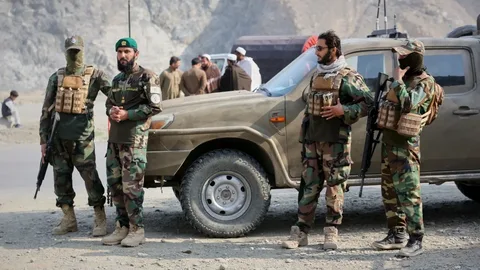
Tensions between Pakistan and Afghanistan in 2026 have escalated following reports of border clashes, airstrike claims, and growing diplomatic strain. The situation described in Pakistan-Afghanistan war 2026 reason discussions highlights security concerns along the shared border. Both sides have issued conflicting statements, while international observers call for restraint to prevent further escalation.
Background of Pakistan-Afghanistan Tensions
The Pakistan-Afghanistan war 2026 reason narrative is linked to long-standing border disputes, militant activity concerns, and security operations along the Durand Line. Relations between the two countries have historically fluctuated between cooperation and conflict. In recent years, cross-border attacks and accusations of harboring armed groups have increased mistrust.
The Afghanistan Pakistan war current status remains tense, with periodic incidents reported along border regions. These tensions are not new but have intensified due to evolving regional security dynamics.
Latest Situation and Live Developments
Reports circulating under Pakistan-Afghanistan war live updates suggest that border areas have seen increased military movement and sporadic exchanges of fire. Local media and international outlets have reported conflicting claims regarding airstrikes and casualties.
The term Pakistan-Afghanistan war Today is widely used on social platforms, but official confirmation of full-scale war remains limited. Instead, the situation is better described as escalating border conflict and diplomatic breakdown in certain areas.
Afghanistan has accused Pakistan of cross-border strikes in some reports, while Pakistan has expressed concerns about militant infiltration. These statements have deepened mistrust between both governments.
Key Incidents and Claims
Recent developments often referred to in Pakistan afghanistan war bbc style reporting include allegations of air raids, counter-operations, and civilian impact claims in border regions.
The Pakistan Afghanistan map plays an important role in understanding the geography of conflict, especially in regions like Khyber Pakhtunkhwa and eastern Afghanistan where border crossings are highly active.
Security analysts suggest that misinformation and unverified claims are also spreading rapidly, making it difficult to verify real-time developments.
Official Statements and Reactions
Officials from both countries have issued cautious and often conflicting statements. Pakistani authorities emphasize border security and counter-terrorism operations, while Afghan representatives call for respect of sovereignty and civilian protection.
Experts believe that the situation reflects deeper structural issues rather than a single triggering event. Diplomatic channels remain active, but trust deficit continues to grow.
Regional and Global Impact
The Afghanistan Pakistan war current status is not just a bilateral issue; it has broader implications for South Asia. Any escalation could impact trade routes, refugee movement, and regional security cooperation.
Neighboring countries and international organizations have urged both sides to avoid escalation. The risk of instability along the border also raises concerns about humanitarian conditions in affected areas.
The Pakistan war 2026 discussion online reflects fears of broader conflict, but analysts stress that the situation is still evolving and not officially a declared war.
Why Tensions Are Rising
The Pakistan-Afghanistan war 2026 reason debate centers on multiple factors:
- Border security disputes
- Allegations of militant shelters
- Cross-border attacks and retaliation cycles
- Political mistrust between governments
- Regional power dynamics
These combined factors have created a fragile security environment.
Conclusion
The Pakistan-Afghanistan situation 2026 remains highly sensitive. While online discussions refer to it as Pakistan-Afghanistan war 2026, the reality is a complex border tension scenario with sporadic clashes and diplomatic strain.
Future developments will depend heavily on dialogue, border management, and regional cooperation. Without these, the Afghanistan Pakistan war current status may continue to remain unstable.
FAQs
Who is Pakistan’s biggest friend?
Pakistan’s foreign relations include multiple strategic partners. Traditionally, China is considered one of Pakistan’s closest diplomatic and economic partners due to long-term cooperation in trade, defense, and infrastructure projects.
How many Afghans are in Pakistan in 2026?
The Afghan population in Pakistan in 2026 is estimated in the millions, including refugees and undocumented migrants. Exact numbers vary due to repatriation programs and ongoing movement across the border.
What does 39 mean in Afghanistan?
In Afghan slang, “39” is sometimes used as a derogatory term linked to social stigma in certain contexts, though meanings can vary regionally and culturally. It is not an official or universally accepted term.