
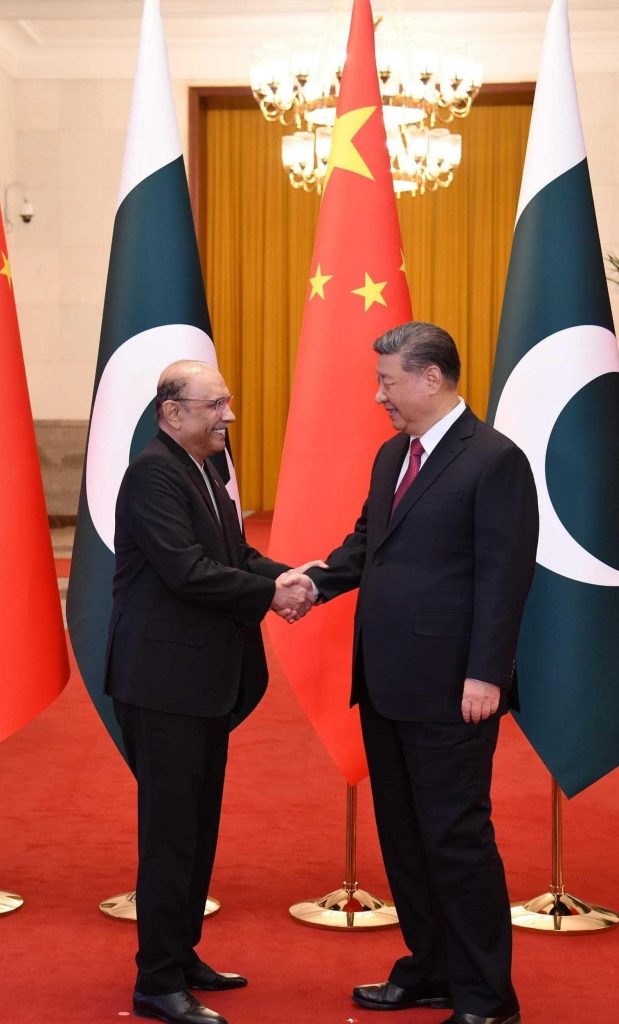
In a move that has triggered intense political discussion across the region, Pakistan’s Interior Minister has arrived in Iran amid ongoing mediation efforts aimed at easing tensions in the Middle East. The visit comes at a sensitive time when diplomatic circles are closely watching every move made by Islamabad and Tehran.
The sudden diplomatic activity has not only strengthened conversations around Pakistan Iran relations, but also raised critical questions about Pakistan’s growing role in regional peace-building efforts.
Political analysts believe this visit could become a turning point in the evolving power dynamics of the region.
Why Pakistan’s Visit to Iran Matters Right Now
The timing of the visit is extremely important.
As conflicts and uncertainty continue to dominate parts of the Middle East, Pakistan appears to be positioning itself as a serious diplomatic player. Sources close to the matter suggest that the discussions in Tehran are focused on security cooperation, border stability, and broader Iran mediation efforts involving regional stakeholders.
Pakistan has historically maintained balanced relations with multiple powers in the Muslim world. However, this latest Pakistan diplomatic mission indicates Islamabad may now be stepping into a more active mediation role.
Experts say Pakistan’s involvement could help reduce tensions and open new doors for regional cooperation.
Regional Peace Talks Gain Momentum
The visit has sparked speculation that secret diplomatic channels may already be active behind closed doors.
Observers believe the talks are not limited to bilateral matters alone. Instead, they may involve broader regional peace talks connected to Middle Eastern stability and security.
Iran remains a key player in regional politics, and Pakistan’s engagement with Tehran could influence future alliances, trade opportunities, and security frameworks.
Social media platforms are already flooded with debates, with many users calling Pakistan’s diplomatic move “bold,” while others see it as a calculated strategic gamble.
Pakistan’s Expanding Role in Middle East Diplomacy
Over the last few years, Pakistan has increasingly attempted to maintain neutrality while strengthening ties across the region.
This latest diplomatic initiative reflects Islamabad’s desire to become a bridge between competing powers. Political commentators argue that Pakistan’s leadership understands the growing importance of Middle East diplomacy, especially at a time when global powers are reshaping alliances.
The visit also sends a strong message that Pakistan wants to protect its economic and security interests while contributing to regional stability.
Public Reaction and Political Buzz
The news of the Interior Minister’s Iran visit quickly became a hot topic online.
Supporters are praising the government for taking proactive diplomatic steps, while critics question whether Pakistan has enough leverage to influence complex regional conflicts.
Still, one thing is clear — the visit has captured massive public attention.
Many political observers believe that if these mediation efforts succeed, Pakistan could emerge as a more influential voice in regional politics than ever before.
What Happens Next?
The coming days will be crucial.
If discussions between Pakistan and Iran lead to meaningful diplomatic progress, this could reshape the future of regional cooperation. Analysts expect more meetings, backchannel diplomacy, and possible joint statements in the near future.
For now, all eyes remain on Tehran as Pakistan continues its delicate balancing act in one of the world’s most politically sensitive regions.