
Pakistan–Afghanistan relations have undergone a major transformation after the Taliban’s return to power in 2021. While early expectations of improved cooperation existed, the situation has become more complex due to rising security concerns and border tensions. The evolving dynamics of Pak-Afghan relations after Taliban takeover continue to shape South Asian geopolitics.
In recent years, both countries have faced repeated diplomatic friction, especially over cross-border militancy. Despite shared history and geographic proximity, trust between Islamabad and Kabul remains fragile. The issue of militant groups operating along the border has become the central challenge in bilateral ties.
Background
The history of Pak-Afghan relations (1947 to 2023) is marked by cycles of cooperation and conflict. Since Pakistan’s independence, Afghanistan has never fully recognized the Durand Line as an international border, creating long-standing diplomatic tension. During the Soviet invasion of Afghanistan, Pakistan played a key role in supporting Afghan refugees and resistance groups.
After 2001, Pakistan became a frontline state in the US-led war on terror, which further complicated relations with Afghanistan. The Taliban’s return to power in 2021 once again reshaped the regional order, raising expectations of improved stability. However, security challenges have continued to dominate bilateral ties.
Details
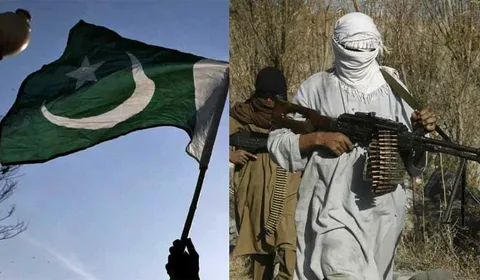
Following the Taliban takeover, Pakistan initially hoped for a friendly and cooperative Afghan government. Early diplomatic engagements suggested improved trade and border coordination. However, incidents of cross-border attacks and the presence of militant groups like TTP have strained relations.
The topic of Taliban Pakistan relations Wikipedia is often discussed in academic and policy circles to understand how both sides interact in terms of security and diplomacy. Similarly, Taliban Pakistan relations UPSC is frequently studied in competitive exams to analyze South Asian strategic affairs.
Despite multiple high-level meetings, disagreements persist over border fencing, refugee management, and security operations. Pakistan maintains that Afghan soil is being used for attacks, while the Taliban government denies allowing such activity.
The situation has led to increased military alertness along the border and periodic closure of trade routes. These developments are central to understanding Pak-Afghan relations current affairs and regional stability.
Quotes
Security officials in Pakistan have repeatedly stated that “Afghanistan must ensure its territory is not used for terrorism against Pakistan.” Meanwhile, Taliban representatives have argued that they seek peaceful relations but require respect for Afghan sovereignty.
Experts suggest that mistrust remains the biggest barrier. A regional analyst noted that “without a comprehensive counter-terror framework, Pak-Afghan relations will remain unstable regardless of political changes.”
Impact
The deterioration in relations has had both regional and global consequences. Economically, trade disruptions between Pakistan and Afghanistan have affected supply chains and local markets. Security-wise, increased militancy has forced Pakistan to strengthen border controls.
From a geopolitical perspective, the instability impacts broader South Asian security dynamics. Countries observing the region remain concerned about extremism, refugee flows, and humanitarian challenges.
The issue is also widely discussed in Pak-Afghan relations short notes and Taliban Pakistan relations essay formats for academic study, highlighting its importance in international relations curricula.
Conclusion
The future of Pakistan–Afghanistan relations depends on sustained diplomatic engagement and effective counter-terrorism cooperation. While both countries have strong historical and cultural ties, political mistrust continues to hinder progress.
If security concerns are addressed and dialogue remains consistent, there is potential for improved cooperation. However, without structural solutions, tensions are likely to persist in the coming years.Understanding Pak-Afghan relations after Taliban takeover remains crucial for policymakers, researchers, and students analyzing regional stability.
FAQs
Does the Pakistan government support the Taliban?
Pakistan has maintained diplomatic engagement with the Taliban-led administration in Afghanistan, focusing mainly on regional stability and security cooperation. However, it does not officially endorse any ideological alignment and continues to raise concerns over cross-border militancy.
Does Pakistan have good relations with Afghanistan?
Relations between Pakistan and Afghanistan are complex and fluctuating. While both countries share economic and cultural ties, security issues and border disputes often create tensions, making the relationship unstable rather than consistently good.
Has Pakistan accepted the Taliban government?
Pakistan has not formally recognized the Taliban government internationally, but it engages with it diplomatically in areas such as trade, border management, and security coordination. Recognition remains tied to broader international consensus and conditions.