
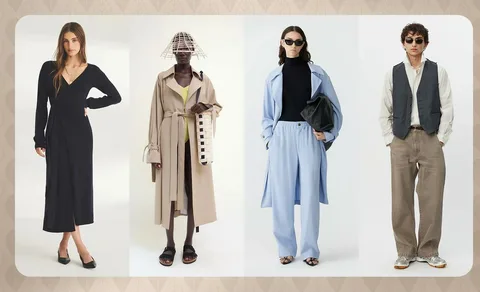
The global fashion industry is shifting fast. Consumers especially Gen Z are demanding ethical clothing brands that are affordable, transparent, and eco-conscious. From Germany to California, this guide covers the top ethical fashion brands in the world, including standout ethical fashion brands in Europe, and answers the trendiest questions buyers are asking in 2025.
Background: Why Ethical Fashion Matters Now
Fashion is one of the world’s biggest polluters. Every second, the equivalent of one garbage truck of textiles is either dumped in a landfill or burned. Meanwhile, garment workers in many countries continue to face unfair wages and unsafe conditions. This is the crisis that ethical fashion brands are working to solve.
In 2025, the demand for ethical clothing brands is stronger than ever. Modern consumers especially Gen Z and millennials expect more than good style. They want transparency, sustainability, fair wages, eco-friendly materials, and responsible production practices.
The good news is that the ethical fashion brands list keeps growing every year and many of these brands are now genuinely affordable.
The Ethical Fashion Brands List: Top Picks for 2025
Here is a curated ethical fashion brands list covering affordable options, trendy sustainable clothing brands, and globally recognized names.
Top Ethical Fashion Brands in the World
- Patagonia (USA)
Patagonia remains the gold standard among top ethical fashion brands. Patagonia has long been a frontrunner in sustainability. Their commitment to protecting the environment is evident through their use of recycled materials, fair labor practices, and their pledge to donate a percentage of their profits to environmental causes. Each Patagonia piece is designed to be durable, reducing the need for constant replacements.
- Reformation (USA)
Reformation is one of the most loved trendy sustainable clothing brands globally. Reformation prioritizes sustainable and ethical fashion at every step. The brand operates transparent, eco-minded factories in California and uses natural, organic, and recycled fibers that meet the Global Organic Textile Standard. Reformation avoids virgin plastic, offsets its carbon footprint, and actively works toward net-zero emissions.
- Pact (USA)
Pact specializes in organic cotton basics tees, leggings, and underwear at prices comparable to fast fashion. Fair Trade certified, it ensures every worker in its supply chain is paid fairly. For anyone looking for ethical clothing brands that are affordable, Pact is a top starting point.
- People Tree (UK/Global)
People Tree is a pioneer in Fair Trade fashion, collaborating with artisans in developing countries to produce ethical and sustainable clothing, rooted in meaningful stories. It is one of the most recognized names on any ethical fashion brands list due to decades of consistent supply chain transparency.
- Girlfriend Collective (USA)
Girlfriend Collective transforms recycled plastic bottles into activewear, emphasizing transparency and ethical manufacturing in the creation of eco-conscious workout wear. Sizes run XS to 6XL, making it one of the most inclusive top ethical fashion brands globally.
- Stella McCartney (UK)
Stella McCartney is a pioneer for fashion brands in Europe and luxury brands worldwide due to its indisputable commitment to high-fashion designs and innovative styles without compromising ethical standards. The brand is fully vegan and cruelty-free.
Ethical Fashion Brands in Europe: Leading the Charge
Europe has become a global hub for ethical and sustainable fashion innovation. From Germany to Denmark, ethical fashion brands in Europe are setting standards for transparency, circular design, and fair wages.
- ARMEDANGELS (Germany)
ARMEDANGELS is known for its classic, minimalist designs and its unwavering commitment to sustainability, proven through their extensive certifications. Key credentials include Fairtrade, GOTS, and PETA-Approved Vegan. They are meticulous about their supply chain, detailing their production partners and social standards on their website. Their use of materials like organic cotton, TENCEL, and recycled fabrics is a testament to their environmental dedication.
- MUD Jeans (Netherlands)
MUD Jeans is a Dutch brand that is a true pioneer in circular fashion. They offer a unique “lease-a-jeans” model and provide free repair services to ensure their denim lasts as long as possible. It is one of the most innovative trendy sustainable clothing brands in Europe today.
- Organic Basics (Denmark)
Organic Basics is a clothing brand from Denmark that ethically makes affordable and sustainable underwear in Europe with organic cotton and recycled materials. Sustainability is its core mission. The Danish clothing label invests in quality fabrics and craftsmanship and designs its clothes with simplicity and function in mind. Panaprium
- Jan ‘n June (Germany)
Jan ‘n June emphasizes transparency, inspires trust, and encourages mindful consumption and sustainability. Each garment uses eco-friendly fabrics like organic cotton, recycled polyester, and TENCEL. They offer a unique “Eco-ID” that allows customers to trace the journey of their garments. It is a standout among ethical fashion brands in Europe. Hula Global
- Thought Clothing (UK)
Thought UK’s commitment to thoughtful design and sustainability makes it a favorite among environment-conscious customers. The brand designs its clothing using eco-friendly materials. Their designs prioritize comfort and longevity — soft knitwear, elegant dresses, and nature-inspired patterns with timeless pieces that help reduce overconsumption. Hula Global
Ethical Clothing Brands That Are Affordable
One of the biggest myths in sustainable fashion is that it is always expensive. Today, there are more budget-friendly sustainable fashion brands than ever. Many offer clothing made with organic materials, ethical labor practices, and a lower environmental impact often at prices similar to fast fashion.
- Yes Friends (UK)
Yes Friends purchases their apparel from factories in large quantities for less dollars, meaning more savings for shoppers. These factories either meet or exceed ethical brand certifications such as Fair Trade USA, GOTS, BSCI, and WRAP, all of which promote ethical supply chains and minimal ecological impact.
- Quince (USA)
Quince sees sustainability as the standard, not a luxury. Its mission is to bring ethical and eco-friendly clothing to the masses at accessible price points, from Mulberry silk tops to cashmere cardigans to sustainably sourced leather bags. Products are delivered in virgin plastic-free packaging.
- tentree (Canada)
Tentree offers lifestyle and loungewear including cozy sweat sets, t-shirts, cardigans, dresses, and jackets made from sustainable fabrics like Tencel, hemp, and organic cotton. With minimal footprint and maximum comfort, tentree has something for everyone looking to make an impact
Expert Quotes
“Ethical fashion isn’t a trend. It’s a lifestyle. American brands and international labels are showing us that conscious consumption is aspirational not sacrificial.” Harkoi Studio, 2025
“Building a more sustainable wardrobe does not have to cost a lot. Today, there are more budget-friendly sustainable fashion brands than ever.” Sustainably Chic, 2025
Global Impact: What Ethical Fashion Is Changing
The Europe sustainable fashion market was valued at USD 3.42 billion in 2025 and is expected to reach USD 8.04 billion by 2034, growing at a CAGR of 9.98%. Market growth is driven by increasing consumer awareness of environmental and ethical issues, stringent EU regulations promoting circular economy practices, and rising demand for eco-friendly and transparent fashion products.
Gen Z strongly favors sustainable fashion choices, with 66% willing to pay more for environmentally friendly products. The average Gen Z closet contains about 15% thrifted and reworked pieces. Over 60% of Gen Z shoppers look for secondhand options before buying new items.
Beyond numbers, top ethical fashion brands are transforming lives. Brands like ABLE and People Tree directly employ women in vulnerable communities, offering fair wages and funding access to healthcare and education.
FAQs
Q: What brand is Gen Z wearing?
Gen Z loves brands like Adanola, PANGAIA, and Djerf Avenue. PANGAIA appeals to Gen Z’s conscious consumer mindset through its eco-friendly, ethical, and forward-thinking approach. Djerf Avenue is ethically produced in Europe, and the brand’s transparency from fabric sourcing to factory standards builds trust with its loyal Gen Z following. Brands that combine aesthetics with ethics consistently win Gen Z loyalty.
Q: Is Zara or H&M better quality?
Both Zara and H&M are fast fashion brands designed for volume and trend speed rather than durability. Zara is generally considered slightly better in fit and structure for tailored pieces. H&M offers a wider price range. However, neither consistently meets the ethical or environmental standards of dedicated ethical clothing brands that are affordable such as Pact, Yes Friends, or ARMEDANGELS which offer superior longevity and responsible manufacturing at competitive prices.
Q: Does H&M support LGBTQ?
H&M has publicly stated support for LGBTQ+ inclusion through Pride-themed collections and internal diversity policies. However, the brand has faced criticism over how these commitments are applied across different markets. Consumers who prioritize both LGBTQ+ inclusion and full ethical supply chain transparency may find stronger alignment with ethical fashion brands in Europe such as ARMEDANGELS or Dedicated, which publish verified social standards including worker rights and inclusive workplace policies.
Conclusion: The Future of Ethical Fashion
The ethical fashion brands list is growing every year, and what is most exciting is that affordability is no longer a barrier. Brands like Quince, Yes Friends, Pact, and Organic Basics are proving that shoppers do not have to choose between their wallet and their values.
For European shoppers, ethical fashion brands in Europe like ARMEDANGELS, MUD Jeans, and Thought Clothing are setting a global benchmark for transparency and fair labor. For global buyers, names like Patagonia, Reformation, and People Tree remain the gold standard among top ethical fashion brands in the world.
Looking ahead, expect deeper supply chain traceability, growth in rental and resale platforms, and a continued surge in trendy sustainable clothing brands that appeal to Gen Z values. The ethical fashion movement is accelerating and the best time to join it is now.