
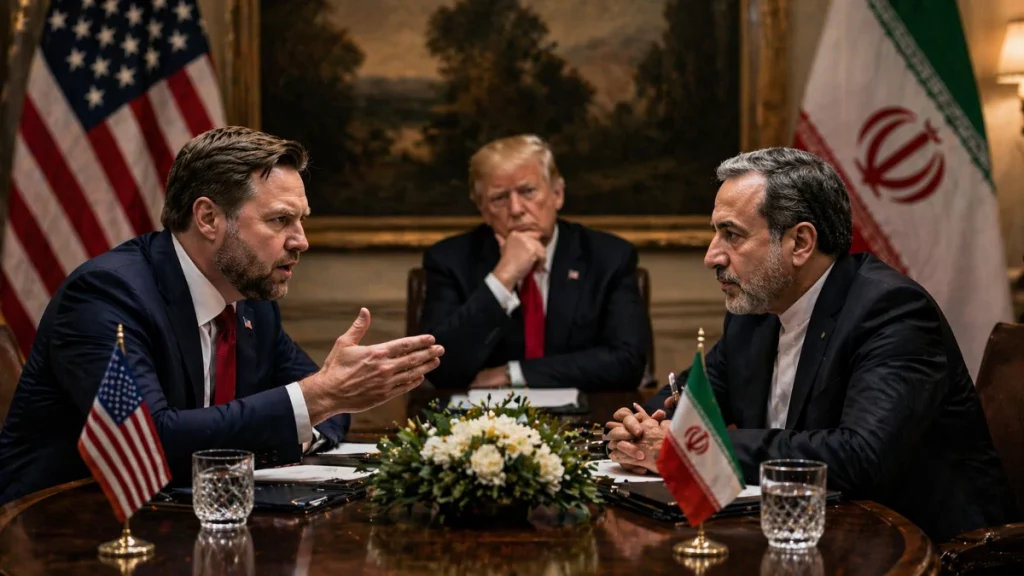
US-Iran news live coverage continues to dominate international headlines as tensions between Washington and Tehran remain high despite renewed diplomatic efforts. Recent developments have sparked concerns across the Middle East, with governments closely monitoring military activity, political statements, and negotiations that could shape the future of regional security.
While there has been no formal declaration of war, the latest exchanges between officials have reignited discussions about the possibility of escalation. Analysts believe the coming weeks could be crucial in determining whether diplomacy prevails or whether the situation moves toward a broader confrontation.
Background: A Long History of Rivalry
Relations between the United States and Iran have been strained for decades. The roots of the dispute extend back to the 1979 Iranian Revolution, which transformed Iran’s political system and dramatically altered its relationship with Washington.
Since then, disagreements over nuclear development, sanctions, regional influence, and military operations have repeatedly brought the two countries into conflict. Although periods of negotiation have occasionally reduced tensions, mistrust has remained a defining feature of the relationship.
The US-Iran deal negotiated in previous years demonstrated that diplomacy was possible. However, changes in policy, renewed sanctions, and regional security concerns gradually weakened those agreements and led to fresh disputes.
Latest Developments in the Crisis
Recent Iran USA news reports indicate that military and political leaders on both sides are maintaining a cautious but firm stance. Officials in Washington have emphasized the need to protect American interests and allies in the region.
At the same time, Iranian authorities have stated that they will defend national sovereignty against any perceived threats. Statements from the Iran President have highlighted the country’s determination to resist external pressure while remaining open to dialogue under certain conditions.
Security analysts note that military movements, intelligence assessments, and diplomatic meetings are all being watched carefully. Although headlines frequently mention possible confrontation, many experts believe both governments understand the risks associated with direct conflict.
The latest breaking news on Iran war developments has focused largely on strategic positioning, political messaging, and international mediation efforts rather than large-scale military engagements.
Military Concerns and Regional Security
One of the most closely watched aspects of the crisis involves reports related to US attacks Iran today discussions circulating in international media. While military preparedness remains high, official sources have generally emphasized deterrence and defense rather than immediate offensive operations.
Regional governments have also increased security measures. Countries throughout the Gulf are monitoring developments due to concerns about trade routes, energy supplies, and broader economic stability.
The Strait of Hormuz remains a particular point of focus because a significant portion of the world’s oil supply passes through the area. Any disruption could have consequences far beyond the Middle East, affecting fuel prices and global markets.
Defense experts warn that even limited incidents could create uncertainty among investors and policymakers, making diplomatic communication essential.
International Reaction
Governments around the world have urged restraint. European nations have repeatedly called for dialogue, while several Asian countries have expressed concern about potential disruptions to trade and energy supplies.
International organizations continue encouraging both sides to avoid actions that could trigger wider instability. Diplomatic channels remain active, with mediators attempting to reduce misunderstandings and prevent unintended escalation.
Coverage from outlets including Iran news Al Jazeera and other international media organizations has highlighted differing perspectives on the crisis. While interpretations vary, most analysts agree that avoiding miscalculation remains a top priority.
The Role of the Iran President
The Iran President has played a central role in shaping Tehran’s response to recent developments. Public speeches have emphasized national unity, economic resilience, and the importance of protecting Iran’s strategic interests.
Political observers note that Iranian leaders must balance domestic expectations with international pressures. Maintaining public confidence while managing diplomatic relationships presents a complex challenge.
The administration has also continued discussions regarding economic policies, sanctions relief, and regional cooperation. These issues remain closely linked to broader security concerns and future negotiations.
Could a New US-Iran Deal Emerge?
Despite ongoing tensions, many experts believe diplomacy remains possible. Discussions about a future US-Iran deal continue to attract attention from policymakers and international observers.
Supporters of negotiations argue that renewed agreements could reduce tensions, strengthen regional stability, and create opportunities for economic cooperation. Critics, however, question whether sufficient trust exists between the two governments.
Several diplomatic proposals reportedly focus on nuclear transparency, sanctions relief, and confidence-building measures. While no major breakthrough has been announced, negotiations remain an important part of the broader conversation.
Analysts suggest that successful diplomacy would require significant compromises from all parties involved. Achieving such an outcome will likely depend on political conditions both within Iran and the United States.
Economic Impact of Rising Tensions
The economic consequences of uncertainty are already being felt in some sectors. Energy markets often react quickly to developments involving Iran because of the country’s importance in global oil production and transportation routes.
Investors are monitoring events closely, particularly any developments that could affect shipping lanes or regional infrastructure. Financial analysts warn that prolonged instability could influence inflation, fuel costs, and international trade.
Businesses operating across the Middle East are also reviewing contingency plans to prepare for potential disruptions. Although markets remain functional, uncertainty continues to influence decision-making.
What Happens Next?
The next phase of the situation will depend heavily on political decisions made in Washington and Tehran. Diplomatic engagement, military restraint, and international mediation will likely remain central factors.
Experts generally believe that neither side seeks a large-scale conflict. However, they also caution that misunderstandings, accidents, or unexpected incidents could quickly change the situation.
For now, the world continues to watch US-Iran news live updates for signs of either progress or escalation. The coming months may determine whether tensions ease through negotiation or remain a source of ongoing regional uncertainty.
Conclusion
The current US-Iran crisis reflects decades of complex political, military, and diplomatic challenges. Although tensions remain elevated, active communication channels and international mediation efforts continue to provide opportunities for de-escalation.
Whether through a renewed US-Iran deal, confidence-building measures, or broader diplomatic engagement, many observers hope that both sides will prioritize stability over confrontation. Until then, Iran USA news will remain one of the most closely followed international stories, with implications reaching far beyond the Middle East.
FAQs
Is the war in Iran and the USA over?
There is currently no officially declared war between Iran and the United States. While tensions have risen periodically and military incidents have occurred over the years, both countries continue to rely heavily on diplomatic, economic, and strategic measures rather than engaging in a full-scale conventional war. International efforts remain focused on preventing escalation and encouraging dialogue.
How many US military have died in Iran?
There is no confirmed figure indicating large-scale US military casualties from a direct war inside Iran because the United States and Iran are not currently engaged in a formally declared war. Casualties connected to regional conflicts, proxy attacks, or military operations are reported separately and vary depending on the specific incident being discussed. Readers should rely on official government statements and verified reporting for the latest figures.
Is Trump still at war with Iran?
The question is often asked because of policies and military actions taken during Donald Trump’s presidency. However, no formal state of war existed between the United States and Iran during that period. Political tensions, sanctions, and military confrontations occurred, but legal declarations of war were not issued. Any future US policy toward Iran depends on current political leadership and evolving international circumstances.