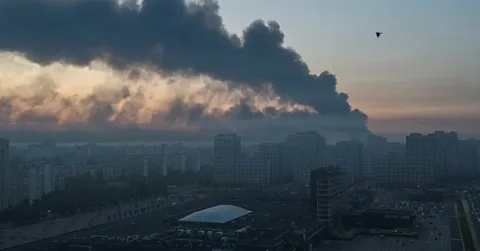

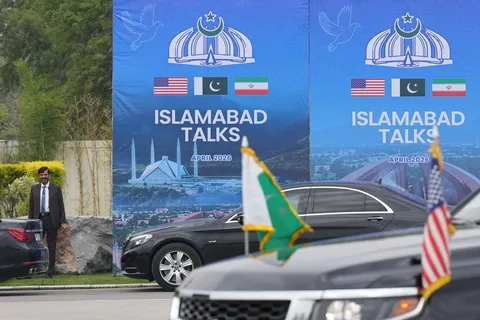
The latest US Iran peace talks in Doha have ended with mediators reporting “positive progress” on several issues tied to the existing Memorandum of Understanding. Neither side announced a final agreement, but both agreed to keep talking once Iran completes funeral ceremonies for the country’s former Supreme Leader. It’s a cautious step forward, not a breakthrough, but it keeps the diplomatic track alive after months of tension between Washington and Tehran.
Doha Talks End With Optimism but No Final Deal
Two days of indirect negotiations in Doha produced something that’s rarer than it sounds in US-Iran diplomacy: genuine forward movement without a breakdown. Qatar’s Foreign Ministry spokesperson Majed Al Ansari confirmed that negotiators made constructive progress building on understandings from earlier meetings.
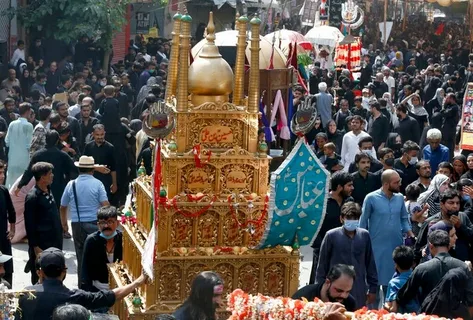
Both delegations agreed to resume talks after the funeral proceedings in Iran conclude. Diplomats on both sides were careful not to overstate what happened, and for good reason: many of the core political and security issues separating Washington and Tehran haven’t been touched yet.
Background: Why the US-Iran Peace Talks Matter
Washington and Tehran have spent years cycling through confrontation, sanctions, military standoffs, and disagreements over Iran’s nuclear activities, with each round of tension making the next harder to defuse. Recent regional conflicts added more instability to an already difficult environment, which is part of why diplomatic engagement became genuinely urgent this year.
Earlier talks in Switzerland produced a 60-day roadmap toward a broader agreement and set up technical working groups to work through sensitive issues like sanctions, maritime security, and regional stability. The Doha meeting was meant to keep that roadmap moving forward.
USA Iran News: What Happened During the Doha Negotiations?
The talks were conducted indirectly, which is the only format Iran has agreed to so far at this stage. American and Iranian representatives stayed in separate rooms while Qatari and Pakistani mediators carried proposals between them.
The focus was on implementing parts of the interim Memorandum of Understanding rather than negotiating a new agreement from scratch. Topics on the table included maritime security in the Strait of Hormuz, implementation of previously agreed confidence-building measures, humanitarian and financial issues, regional security concerns, and mechanisms to reduce the risk of military escalation.
Both delegations, according to sources familiar with the talks, showed enough willingness to continue that a further round was agreed on.
Strait of Hormuz Remains a Key Issue
The Strait of Hormuz came up in detail, which isn’t surprising given how much global energy trade passes through it. Iran’s position on control and management of the waterway hasn’t shifted, and the United States still opposes anything that could disrupt international maritime commerce through the strait.
Recent military confrontations in the area elevated the stakes before talks even began. No breakthrough happened on this specific issue, but the fact that discussions were described as productive enough to continue is itself notable given how charged the previous weeks had been.
Trump Comments on US-Iran Relations
Before leaving Washington, Trump told reporters the United States was “getting along well” with Iran and signaled optimism about where negotiations were heading. Administration officials were more measured, making clear that substantial work remains before any comprehensive deal.
American negotiators continue prioritizing regional stability, maritime security, and long-term diplomatic arrangements, and they’re pushing Iran to avoid actions that could complicate those negotiations. Trump’s comments moved energy markets modestly, reflecting how closely financial markets are now tracking every US-Iran signal.
Iran Maintains Cautious Approach
Iranian officials also described the Doha discussions as constructive, but without suggesting anything close to a final outcome was imminent. Tehran’s position is unchanged: any future agreement has to address economic concerns, sanctions relief, and regional security arrangements in ways that reflect Iran’s national interests.
The consistent Iranian message through this process has been that real progress depends on practical implementation, not political declarations. That’s a reasonable position given the history of agreements that collapsed when commitments weren’t followed through, and it tells you something about what will be required to actually close a deal.
Role of Qatar and Pakistan in Mediation
Qatar and Pakistan have been the connective tissue keeping these talks functional. Their role is to shuttle proposals between delegations who won’t sit in the same room, which sounds awkward but has actually allowed both sides to engage substantively without the domestic political exposure that direct contact would create at this stage.
Officials from both mediating countries described the Doha meetings as an important step toward sustaining diplomatic momentum, which is a careful way of saying the talks didn’t collapse and both sides came away willing to continue.
Global Markets React to Positive Signals
Oil prices dipped modestly after reports confirmed the talks ended without a major setback. Markets read that as a reduced near-term risk of escalation around the Strait of Hormuz, which has been a consistent source of price volatility through this period.
That reading is provisional. Markets tracking this situation stay sensitive to any unexpected development in regional security, and any sign that talks are deteriorating would quickly reverse that modest optimism.
Challenges Still Facing Negotiators
The positive framing from mediators shouldn’t obscure how much ground still needs to be covered. The hardest issues haven’t been settled: long-term regional security guarantees, maritime navigation rules, economic sanctions, financial asset arrangements, future nuclear-related discussions, and regional military de-escalation are all still on the table.
None of these are simple to resolve, and several have derailed previous rounds of diplomacy. Multiple additional negotiation rounds are almost certainly required before anything resembling a final agreement comes into view.
International Response
Governments across Europe and the Middle East have been watching the USA Iran news closely, and the agreement to continue talks was broadly welcomed internationally. Most governments tracking this situation view sustained diplomacy as clearly preferable to renewed military confrontation, regardless of their specific position on the underlying issues.
Energy-importing nations are paying particular attention to the Strait of Hormuz dimension, since disruption there affects oil supply chains well beyond the immediate parties to the conflict.
What Happens Next?
The next round of US Iran peace talks is set to happen after Iran completes its funeral proceedings, though no exact date has been given. Mediators indicated talks will resume as soon as practical.
Future sessions will return to the unresolved issues while trying to turn the existing roadmap into something more durable. Until then, both sides have committed to maintaining communication and not taking actions that would undermine the diplomatic track they’re both invested in now.
Conclusion
The Doha talks produced cautious optimism, not a deal. That’s still meaningful given how difficult this relationship has been and how close the region came to a wider confrontation in recent months. The willingness of both sides to keep talking, and to specifically agree on when the next conversation happens, is the real news here.
Whether future meetings can actually bridge the gap on the harder issues will determine whether this diplomatic moment turns into something lasting or fades the way previous openings have.
FAQs
Who is leading US Talks with Iran?
Senior American envoy Steve Witkoff is leading the US negotiating team, supported by other senior administration officials. The talks are conducted indirectly through Qatar and Pakistan rather than direct meetings between American and Iranian representatives, a format Iran has insisted on at this stage. That mediation structure has managed to keep the process going despite significant political differences on both sides.
What is Trump’s deal with Iran?
Trump’s administration is working to turn an interim Memorandum of Understanding into a broader peace agreement, with the main American priorities being regional security improvements, maritime stability in the Strait of Hormuz, confidence-building measures, and a longer-term diplomatic framework. No comprehensive agreement has been announced, and the administration has been careful not to commit to specific outcomes publicly while negotiations are still active.
Have Iran agreed to talks?
Yes. Iran has agreed to continue indirect negotiations through the Qatari and Pakistani mediators in Doha, and Iranian officials confirmed their willingness to resume discussions after the funeral proceedings conclude. Tehran has ruled out direct meetings with American representatives for now, but participation in the mediated format has been consistent, and Iranian officials have described recent discussions as constructive while being clear that important differences remain unresolved.