
The Israel-Lebanon war 2026 has become one of the most significant conflicts in the Middle East in recent years. What began as escalating border tensions quickly evolved into a broader military confrontation involving Israeli forces and Hezbollah fighters operating from southern Lebanon.
As fighting intensified, interest in the Israel-Lebanon war 2026 map surged worldwide. Analysts, governments, and civilians sought to understand where military operations were taking place and how the conflict could affect regional stability. The latest developments have revived memories of earlier confrontations, including the Israel Lebanon war 1978 and the Lebanon Israel War 1982.
Background: Decades of Tension Along the Border
The border between Israel and Lebanon has experienced periodic violence for decades. The roots of the conflict stretch back to multiple wars and military operations that shaped the modern security landscape of the region.
The Israel Lebanon war 1978 marked one of the earliest major military interventions by Israel in Lebanon. Israeli forces crossed into southern Lebanon in response to attacks launched by Palestinian militant groups. Although international intervention led to a withdrawal, tensions remained unresolved.
Several years later, the Lebanon Israel War 1982 dramatically changed the region. Israel launched a large-scale invasion aimed at eliminating militant threats operating from Lebanon. The conflict eventually contributed to the emergence of Hezbollah, which would become one of Israel’s most formidable adversaries.
These historical events continue to influence military calculations on both sides today.
Why Did Israel Invade Lebanon 2026?
One of the most frequently asked questions surrounding the current conflict is: Why did Israel invade Lebanon 2026?
Israeli officials argue that military action became necessary after sustained attacks on northern Israeli communities and military positions. According to government statements, Hezbollah’s growing military capabilities and cross-border operations posed an unacceptable security threat.
Israeli leaders maintain that the objective was to push hostile forces away from the border and destroy infrastructure used for launching attacks. They also emphasized the need to restore security for residents living in northern Israel.
Hezbollah, however, described the Israeli operation as an act of aggression and pledged continued resistance. The group claimed its military activities were a response to broader regional developments and ongoing disputes involving Israel.
The differing narratives have made diplomatic efforts particularly challenging.
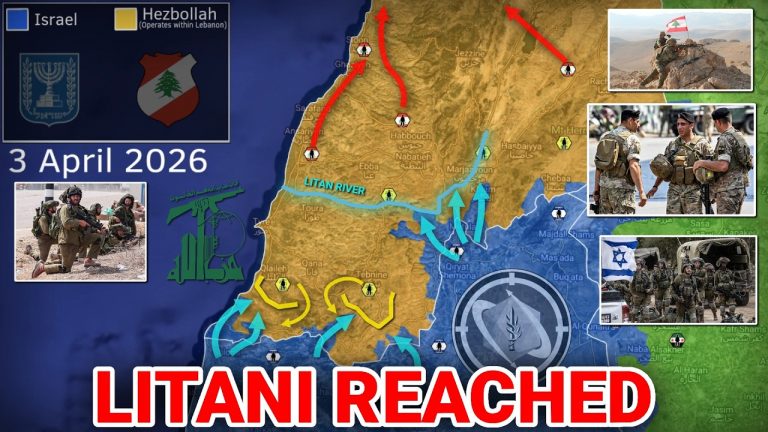
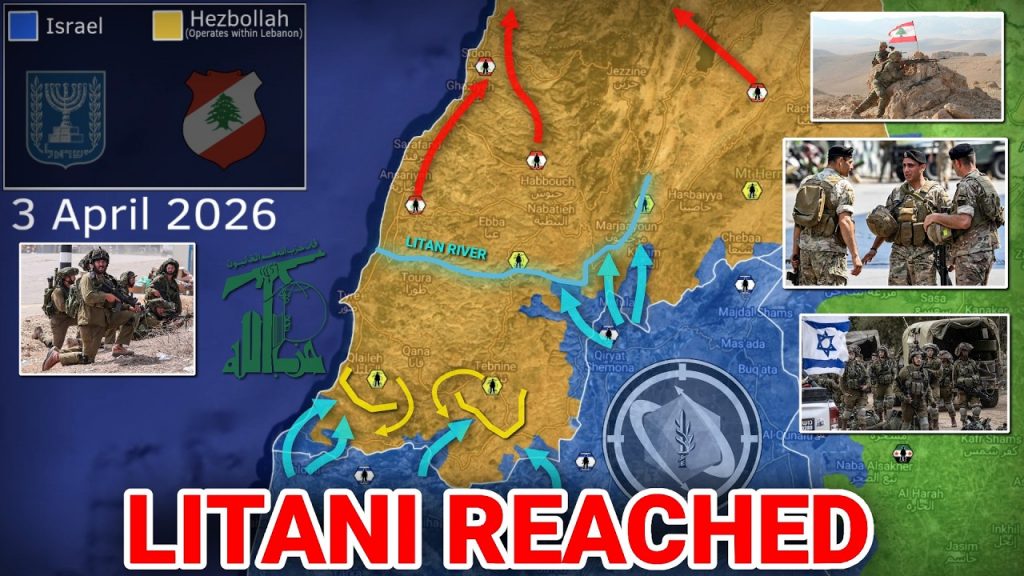
Understanding the Israel-Lebanon War 2026 Map
The Israel-Lebanon war map reveals that most military activity has been concentrated in southern Lebanon and areas adjacent to the Israeli border.
Several towns and villages in southern Lebanon became focal points of military operations. Airstrikes, artillery exchanges, and ground maneuvers were reported across multiple sectors.
Northern Israeli communities also experienced disruptions due to rocket attacks and security alerts. Civilian evacuations were implemented in several locations as authorities attempted to reduce casualties.
Military analysts note that terrain plays a critical role in the conflict. Southern Lebanon’s hills, valleys, and urban areas create operational challenges for both conventional armies and irregular forces.
As fighting expanded, strategic routes and border crossings became increasingly important. Control of these areas often influenced military momentum on the battlefield.
Hezbollah’s Role in the Conflict
The Hezbollah Israel war 2026 has highlighted the organization’s significant military capabilities.
Over the years, Hezbollah has transformed from a guerrilla movement into a heavily armed force with sophisticated weapons systems and extensive battlefield experience. Analysts believe the group possesses a substantial arsenal capable of targeting both military and civilian infrastructure.
During the conflict, Hezbollah claimed responsibility for numerous operations against Israeli positions. The organization portrayed its actions as defensive measures intended to deter further military advances.
Israeli officials, meanwhile, argued that Hezbollah’s activities threatened regional security and justified continued military operations.
The confrontation demonstrated the complexity of modern warfare, where non-state actors can influence strategic outcomes traditionally associated with national armies.
Casualties and Humanitarian Concerns
The Lebanon war 2026 casualties continue to attract international attention as humanitarian agencies monitor conditions on the ground.
Reports indicate that both military personnel and civilians have been affected by the violence. Residential neighborhoods, transportation infrastructure, and public services have experienced varying degrees of disruption.
Humanitarian organizations expressed concern about displaced populations seeking safety away from active combat zones. Access to healthcare, food supplies, and essential services became increasingly difficult in some affected areas.
International relief agencies called for measures to protect civilians and facilitate humanitarian assistance. Diplomatic efforts focused on reducing violence and preventing further deterioration of living conditions.
The human cost of the conflict remains one of the most pressing concerns for regional and international stakeholders.
International Reaction
Governments around the world closely monitored developments as fears grew that the conflict could spread beyond the immediate border region.
Several countries urged restraint and encouraged diplomatic dialogue. International organizations emphasized the importance of preventing escalation that could destabilize the broader Middle East.
Global energy markets also reacted to the conflict, reflecting concerns about regional security and potential disruptions to trade routes. Investors watched developments carefully as uncertainty affected economic forecasts.
Major powers engaged in diplomatic consultations aimed at reducing tensions and encouraging negotiated solutions.
Regional Impact
The consequences of the Israel invasion of Lebanon 2026 extend beyond the immediate battlefield.
Neighboring countries face increased security concerns as military operations continue. Regional alliances and diplomatic relationships have come under renewed scrutiny as governments assess potential risks.
The conflict has also influenced public opinion across the Middle East. Political leaders are balancing domestic pressures with broader strategic interests as they formulate responses to rapidly changing conditions.
Security experts warn that prolonged fighting could create new challenges for regional stability and international diplomacy.
What Happens Next?
Military analysts believe the future trajectory of the conflict will depend on several factors, including battlefield developments, diplomatic initiatives, and political decisions by key actors.
Negotiations involving regional and international mediators may play a crucial role in reducing tensions. However, the history of previous confrontations suggests that achieving a lasting solution will require addressing deeper political and security concerns.
The Israel-Lebanon war 2026 map continues to evolve as military operations and diplomatic efforts unfold. Observers worldwide remain focused on whether current hostilities will lead to a broader regional confrontation or eventually give way to renewed dialogue.
Conclusion
The Israel-Lebanon war 2026 represents the latest chapter in a long history of conflict between Israel and armed groups operating in Lebanon. The crisis has revived memories of the Israel Lebanon war 1978 and the Lebanon Israel War 1982 while introducing new geopolitical challenges.
Understanding the Israel-Lebanon war map is essential for following developments on the ground. As military operations continue and diplomatic efforts intensify, the conflict remains a major factor shaping the future of Middle Eastern security and international relations.
FAQs
What is the current conflict between Israel and Lebanon?
The current conflict involves military confrontations between Israel and Hezbollah forces operating in Lebanon. The fighting includes airstrikes, rocket attacks, artillery exchanges, and military operations near the border. The conflict stems from longstanding security disputes and broader regional tensions that have escalated into open hostilities.
Who is Israel’s best friend?
Israel maintains close relationships with several countries, but the United States is widely considered its strongest international ally. The partnership includes security cooperation, diplomatic support, economic ties, and military assistance. Israel also has growing relations with several regional and international partners.
Which war did Israel almost lose?
Historians often cite the 1973 Arab-Israeli War, also known as the Yom Kippur War, as one of the most challenging conflicts in Israel’s history. During the early stages of the war, Israeli forces faced significant setbacks before eventually regaining momentum. The conflict had a lasting impact on military planning and regional politics.