Yemen’s Houthi rebels have escalated their campaign in the Red Sea to a dangerous new level in 2026. The group has now declared a naval blockade targeting Saudi Arabia, attacked multiple commercial vessels, and closed one of the world’s most critical shipping lanes. The Red Sea crisis update today shows no sign of de-escalation, and the global economic consequences are already being felt.
Background: How the Houthi Red Sea Crisis Began
The Houthi Red Sea crisis did not appear overnight. The Iran-backed Houthi movement, which controls much of Yemen including the capital Sanaa, began targeting commercial ships in November 2023. The group stated it was acting in solidarity with Palestinians during the Israel-Hamas war, threatening any vessel they deemed linked to Israel, the United States, or the United Kingdom.
At the time, the Red Sea carried roughly 12 percent of global trade and served as the primary route between Asia, Europe, and the Americas through the Suez Canal. Within weeks of the initial Houthi attacks on Red Sea shipping, dozens of major shipping companies began rerouting their vessels around the southern tip of Africa adding thousands of miles and tens of millions of dollars in extra fuel and time costs to every journey.
A fragile pause in commercial ship attacks followed the Israel-Gaza ceasefire in late 2024. Shipping traffic through the Bab al-Mandab Strait slowly recovered, rising around 60 percent from its lowest point. But that recovery was short-lived.
Details: What Is Happening in the Red Sea Right Now
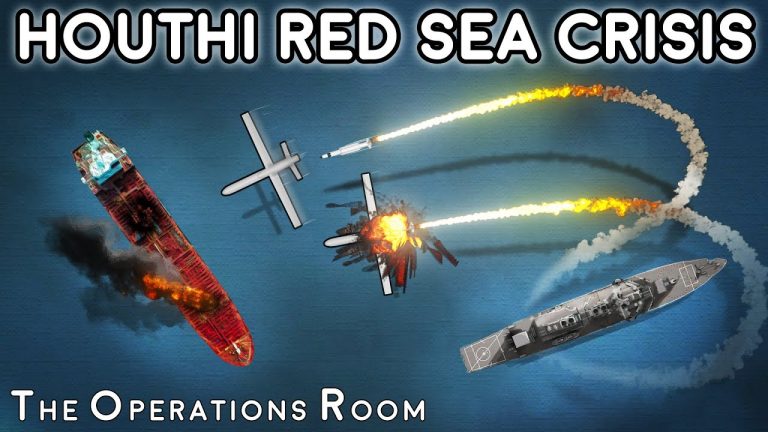
July 2026 marked the most violent and expansive phase of Houthi activity in the Red Sea to date. In early July, Houthi forces attacked two commercial vessels within 24 hours. The Eternity C, a commodity carrier, was struck and later sank, while the Liberian-flagged bulk carrier Magic Seas was hit with drones, missiles, rocket-propelled grenades, and small arms fire, forcing its crew to abandon ship.
Three mariners were killed in the attack on the Eternity C, and two others were wounded, with one crew member losing a leg. The crew remained stuck on board the vessel, which was left drifting in the Red Sea.
These Red Sea attacks on ships were described by analysts as the group returning “with a bang” after months of relative quiet. The Houthis then moved rapidly to escalate further.
The Yemeni Houthis began enforcing a naval blockade on Saudi Arabia, which threatened to worsen already-strained global shipping and supply chains. The blockade was triggered by a breakdown in a four-year truce between Saudi Arabia and the Houthi movement. Saudi Arabia conducted airstrikes on Sanaa International Airport in mid-July 2026 to prevent an Iranian aircraft from landing. The Houthis retaliated by launching missiles and drones at Saudi Arabia’s Abha International Airport breaking the fragile ceasefire that had been in place since 2022.
The Houthis then announced a blockade on Saudi shipping transiting the Bab al-Mandab Strait, targeting all of Saudi Arabia’s energy and other exports through the narrow waterway. At least two Saudi oil tankers reportedly turned around in the Red Sea after receiving Houthi warnings that vessels approaching the strait would be attacked.
The Houthi Red Sea blockade against Saudi Arabia, announced on July 20, marks a dangerous new phase in the crisis affecting global maritime trade. With the Bab al-Mandab Strait now contested and the Strait of Hormuz already under pressure from the broader Iran-US conflict, the world now faces a three-way chokepoint crisis.
Consulting the Houthi Red Sea attacks map today, the areas of active risk span from the southern Red Sea near Hodeidah and the Bab al-Mandab Strait northward toward Yanbu on Saudi Arabia’s Red Sea coast the furthest north vessels have been targeted since the crisis began.
Quotes
April Longley Alley, Senior Fellow at The Washington Institute, said: “The Houthis are trying to thread the needle with this threat. They’re focusing on Saudi Arabia, not on the U.S., Iran or the Straits of Hormuz. But effectively, by doing this, it’s directly connected to that regional conflict, because obviously Saudi’s ability to export oil is a vital lifeline.”
Wolf-Christian Paes, Senior Fellow at the International Institute for Strategic Studies, described the renewed shipping attacks simply: “We haven’t seen any real attacks on merchant shipping since December last year. And they’re back with a bang.”
The United Nations has repeatedly warned that continued Houthi threats to maritime navigation, coupled with the risk of further military escalation, remains of serious concern and could potentially impact millions in Yemen, the region, and globally.
The US Maritime Administration (MARAD) issued an updated advisory warning that US-flagged commercial vessels transiting the Red Sea, Bab el-Mandeb Strait, Gulf of Aden, Arabian Sea, and Somali Basin are at increased risk of targeting by adversarial actors.
Impact: What the Red Sea Crisis Means for the World
The consequences of the Houthi Red Sea crisis extend far beyond the waters off Yemen’s coast. The Red Sea is one of the most strategically vital maritime corridors on the planet. When ships cannot safely pass through it, the effects ripple across the global economy almost immediately.
Shipping companies are once again rerouting vessels around the Cape of Good Hope at the southern tip of Africa. This adds roughly 10 to 14 days to each voyage and dramatically increases fuel costs. For industries dependent on just-in-time supply chains electronics, clothing, automotive parts, and food the delays create serious disruptions.
Effectively, the Bab al-Mandab Strait and the Suez Canal are now closed at both ends of the Red Sea, compounding the current crisis in the Strait of Hormuz. Governments will increasingly face the same difficult question: how much economic disruption are they willing to tolerate before resorting to military escalation?
The Houthi blockade targets Saudi Arabia’s energy exports, facilitated through the Yanbu port and the East-West pipeline a route Riyadh had been relying on to bypass Iran’s effective closure of the Strait of Hormuz. With that route now also under threat, Saudi Arabia’s ability to move oil to global markets is significantly compromised.
The United States has signaled it may take military action to disrupt the Houthi blockade, which risks triggering a wider confrontation involving Yemen, Iran, Saudi Arabia, and Western naval forces already operating in the region under mandates like the EU’s Operation Aspides.
Conclusion: What Comes Next
The Houthi Red Sea crisis is entering its most dangerous chapter yet. The group has demonstrated both the will and the capability to attack commercial ships, sink vessels, take hostages, strike major airports, and now enforce a maritime blockade against one of the world’s largest oil exporters.
With the Bab al-Mandab Strait contested, the Strait of Hormuz under Iranian pressure, and diplomatic channels between key regional players effectively closed, the risk of military escalation is higher than at any point since the crisis began. The international community, led by the United States and European naval forces, faces mounting pressure to respond but any response risks pulling more actors into an already volatile conflict.
The next few weeks will be critical. Shipping companies, energy markets, and governments around the world are watching the Red Sea crisis update today with growing alarm. The route that carries a significant share of global trade remains deeply uncertain, and the human cost measured in lives lost at sea and seafarers held captive continues to rise.
FAQs
Why did the Houthis attack the Red Sea?
The Houthi movement began attacking commercial ships in the Red Sea in November 2023, framing their campaign as a form of solidarity with Palestinians in Gaza during the Israel-Hamas conflict. The group declared it would target vessels with Israeli, American, or British connections until Israel halted its military operations in Gaza. Over time, the scope of their attacks broadened considerably. By 2026, the Houthis were no longer limiting themselves to Israel-linked ships they were now attacking Saudi tankers, declaring a naval blockade of Saudi Arabia, and striking airports on Saudi soil. The underlying motivation shifted from a stated pro-Palestinian stance to a broader regional power struggle deeply connected to Iran’s conflict with the United States and Saudi Arabia. The Houthis have used the Red Sea as a strategic lever to gain political visibility, assert military capability, and advance Iran’s regional agenda.
Did the Houthis attack Saudi Arabia?
Yes, and in a significant way. In July 2026, the Houthis escalated their conflict with Saudi Arabia sharply. After Saudi Arabia conducted airstrikes on Sanaa International Airport to prevent an Iranian aircraft from landing, the Houthis responded by launching missiles and drone strikes at Saudi Arabia’s Abha International Airport — breaking a four-year truce between the two sides. They then went further, declaring a maritime blockade specifically targeting Saudi shipping through the Bab al-Mandab Strait. Saudi oil tankers in the Red Sea turned around after receiving Houthi warnings that they would be attacked if they continued through the strait. The Houthis also claimed attacks on two Saudi crude oil tankers, Encelia and Layla, stating the vessels had violated the blockade. This marks the most serious direct Houthi-Saudi confrontation in years, raising fears of a full resumption of the Yemeni civil war.
What are the Houthis fighting for?
The Houthis, formally known as Ansar Allah, are an armed political movement that emerged from the Zaidi Shia Muslim community in northwestern Yemen. They have fought a Saudi-backed coalition and Yemen’s internationally recognized government since 2014, currently controlling Sanaa and large parts of the country. Ideologically, they are deeply opposed to American and Israeli influence in the Middle East and are aligned with Iran’s regional network, which also includes Hezbollah in Lebanon and various armed factions in Iraq and Syria. Their stated goals include defending Yemeni sovereignty, supporting Palestinian resistance, and countering what they describe as Western and Saudi imperialism in the Arab world. In practice, their campaign in the Red Sea serves to demonstrate military reach, secure leverage in regional negotiations, and support Iran’s broader confrontation with the United States. Whether through attacking ships, launching drones at airports, or enforcing blockades, the Houthis aim to prove that a non-state armed group from one of the world’s poorest countries can meaningfully disrupt the global order.